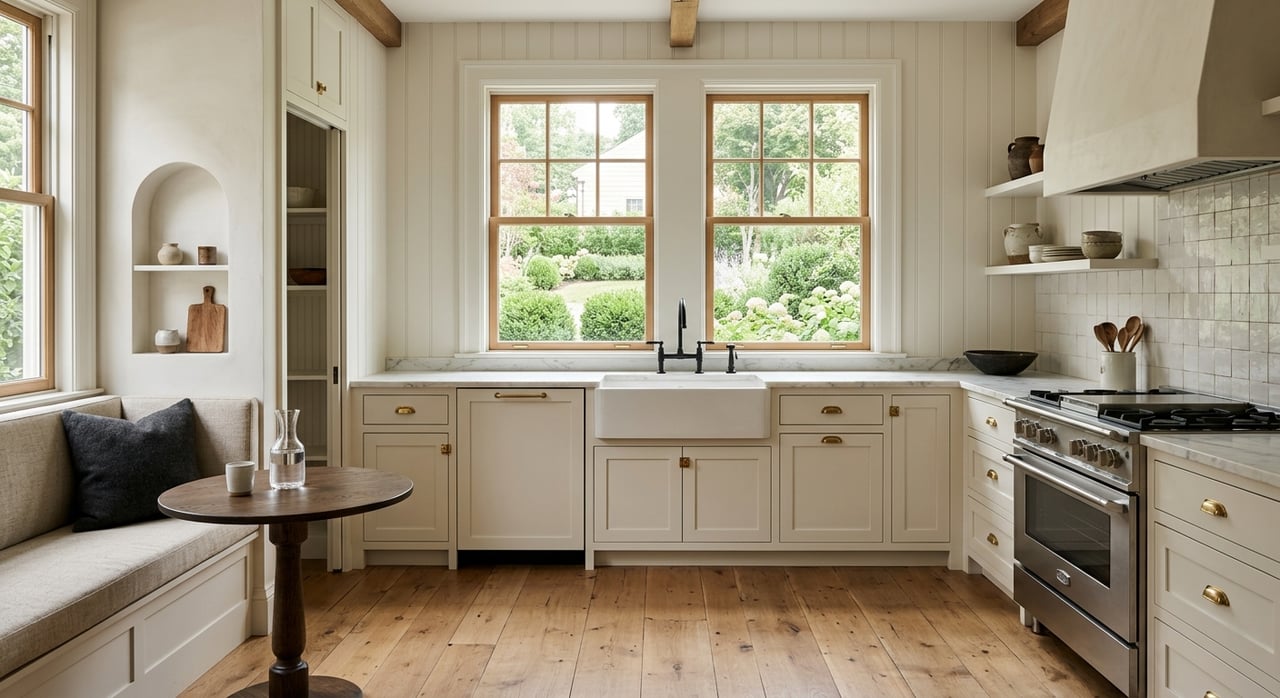
Preparing A Historic Moorestown Home For Today’s Buyer
If you own a historic home in Moorestown, you already know its charm is not the issue. The real question is how to present that character in a way that feels relevant, comfortable, and compelling to today’s buyer. With the right plan, you can protect what makes your home special while making smart updates that support value and market appeal. Let’s dive in.
Moorestown has a long architectural story. The township traces its beginnings to 1682, and its historic identity is closely tied to traditional homes, established streetscapes, and the familiar character of Main Street.
That history now has a more formal framework. In 2025, Moorestown adopted Ordinance 06-2025, creating a Historic Preservation Commission and a designated historic district with a period of significance from about 1720 to 1940, along with seven designated historic sites across town.
For sellers, that matters for two reasons. First, buyers are often drawn to these homes because they offer details and craftsmanship that newer properties rarely match. Second, updates to certain historic properties, especially exterior or permit-triggering work, may need early review for compatibility.
Even when buyers love older homes, they still want them to feel cared for, functional, and easy to understand. Character can spark interest, but presentation often determines whether a buyer sees a home as inspiring or overwhelming.
The 2025 NAR staging survey makes that clear. According to the report, 83% of buyers’ agents said staging made it easier for buyers to picture the property as their future home, while 49% of sellers’ agents said staging reduced time on market.
Buyers also tend to arrive with polished expectations. In that same survey, 48% of agents said buyers expected homes to look like they were staged on television, and 58% said buyers felt disappointed when homes did not match that standard.
That gap matters in a historic home. If your rooms are beautiful but crowded, dim, or dated in presentation, buyers may miss the architecture entirely.
Before you think about major renovation, focus on what buyers notice immediately. In many cases, the fastest gains come from simple work that helps your home feel fresh, orderly, and well maintained.
A strong first stage often includes:
Those priorities align with what agents report recommending most often: decluttering, cleaning, and curb appeal improvements. They also line up with the rooms buyers tend to care about most during staging.
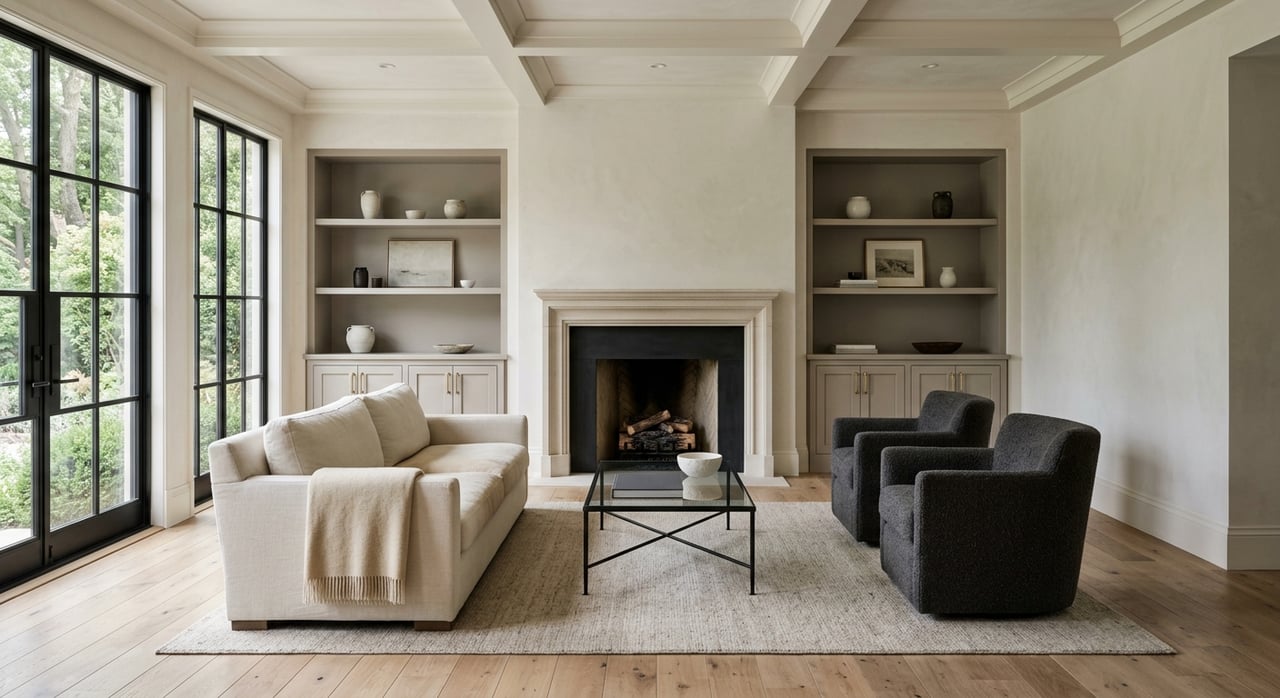
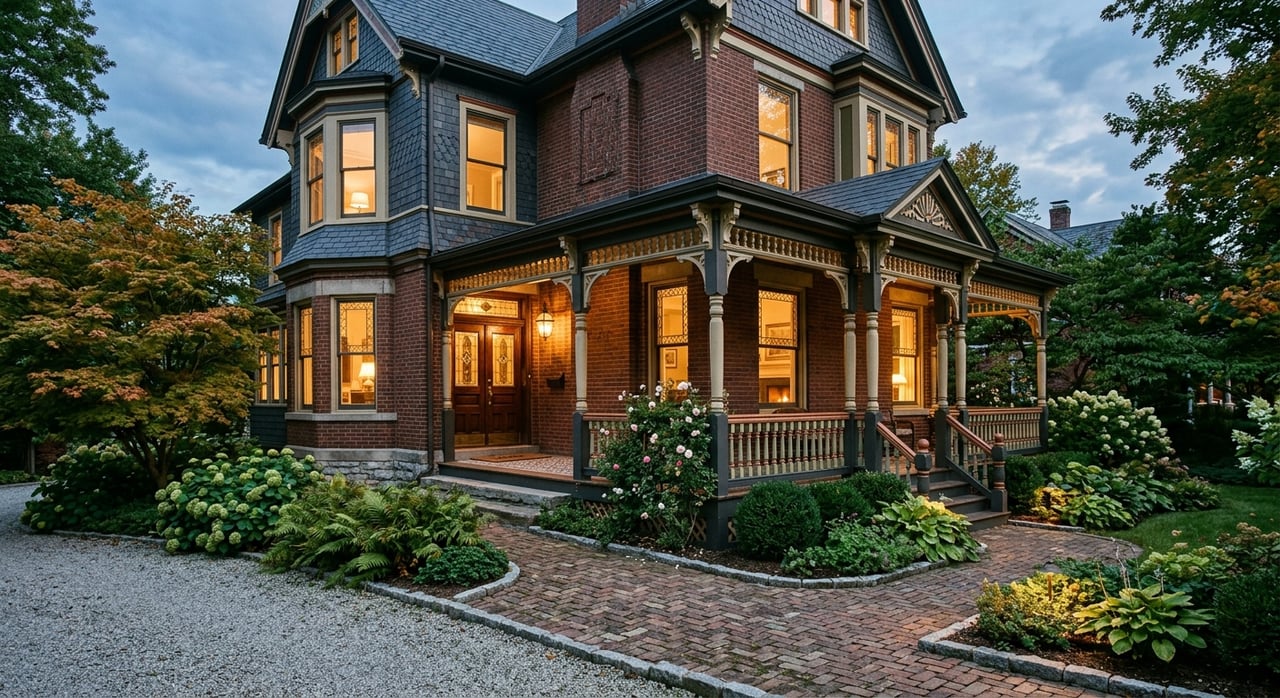
In a historic Moorestown home, presentation should not erase age. It should highlight proportion, millwork, ceiling height, window placement, and flow. The goal is to make the home feel edited, not stripped of personality.
One of the biggest mistakes sellers make is removing the very features that create emotional value. Historic trim, original doors, old-growth floors, staircase detailing, built-ins, and divided-light windows often help a home stand apart.
Moorestown’s ordinance also reinforces the value of these architectural features. It broadly defines important exterior elements to include roofs, cladding, windows, porches, doors, railings, trim, molding, and decorative details.
That does not mean every old feature must stay untouched. It means you should be thoughtful about what is original, what is repairable, and what contributes to the home’s overall presence.
If replacement is unavoidable on covered exterior elements, the local standard emphasizes in-kind replacement. That means matching the existing material, type, design, dimension, texture, detail, and appearance.
Older homes often respond best to a preservation-first approach. That is especially true when you are trying to balance comfort, aesthetics, and historic value before listing.
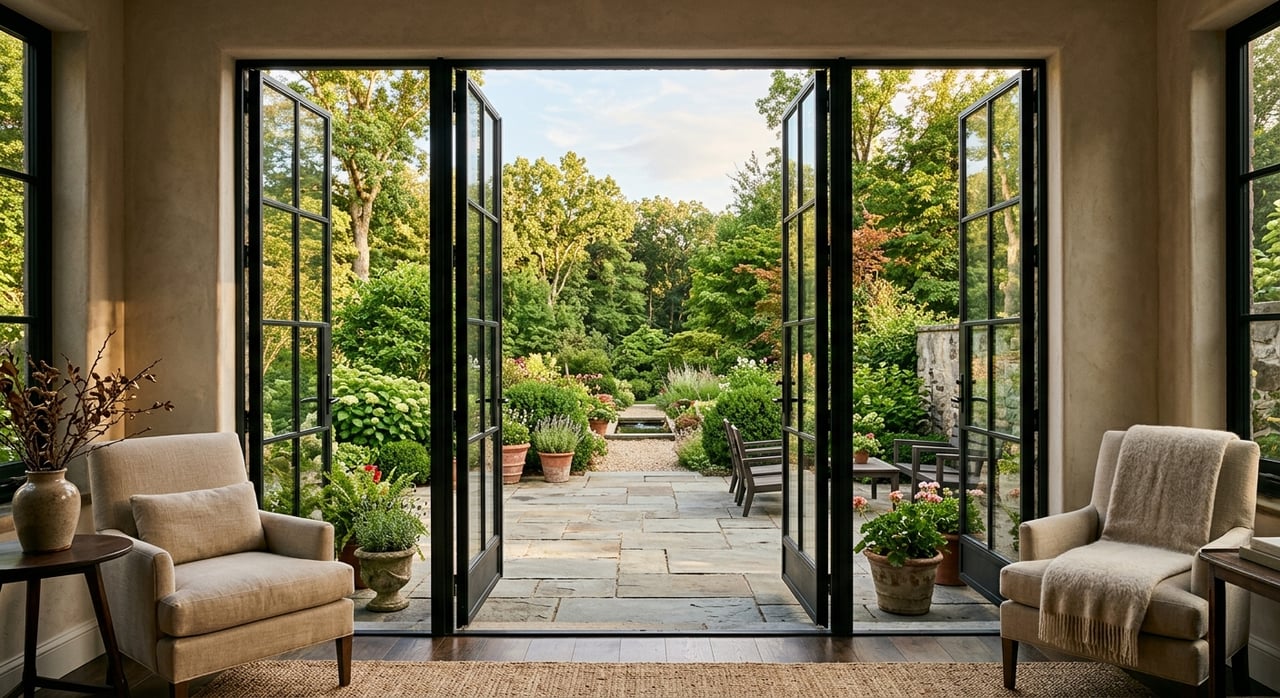
For windows and doors, national preservation guidance recommends repair and weatherization before replacement. Caulking, weatherstripping, and targeted improvements can often address drafts without sacrificing historic character.
That matters because buyers do care about comfort. They notice sticky windows, rattling doors, and cold rooms, but they also appreciate authentic details when those features function well.
Low-e storm windows can also be part of the solution. According to DOE guidance cited in the research, modern storm windows can deliver savings similar to full replacement at about one-third of the cost, reduce air leakage by 10% or more, and blend with existing architecture while allowing original windows to remain in use.
Historic homes do not need to feel frozen in time. Preservation guidance from the National Park Service treats energy efficiency and historic character as compatible goals, as long as improvements do not damage historic materials or diminish the building’s defining features.
Many older homes already have useful passive features, such as operable windows, daylight, wide eaves, and substantial wall construction. The better strategy is often to improve performance quietly rather than chase dramatic visible change.
Consider updates like these:
DOE guidance also emphasizes energy assessments and air sealing before adding insulation. In an older house, hidden leakage is common, so that sequence can help you spend money more wisely.
If you are deciding where to invest before selling, prioritize spaces that shape daily living. The NAR 2025 Remodeling Impact Report found that high-demand projects included kitchen upgrades, new roofing, and bathroom renovations.
That does not mean you need a full gut renovation to earn buyer interest. It means buyers tend to respond to improvements that increase functionality, durability, and visual ease.
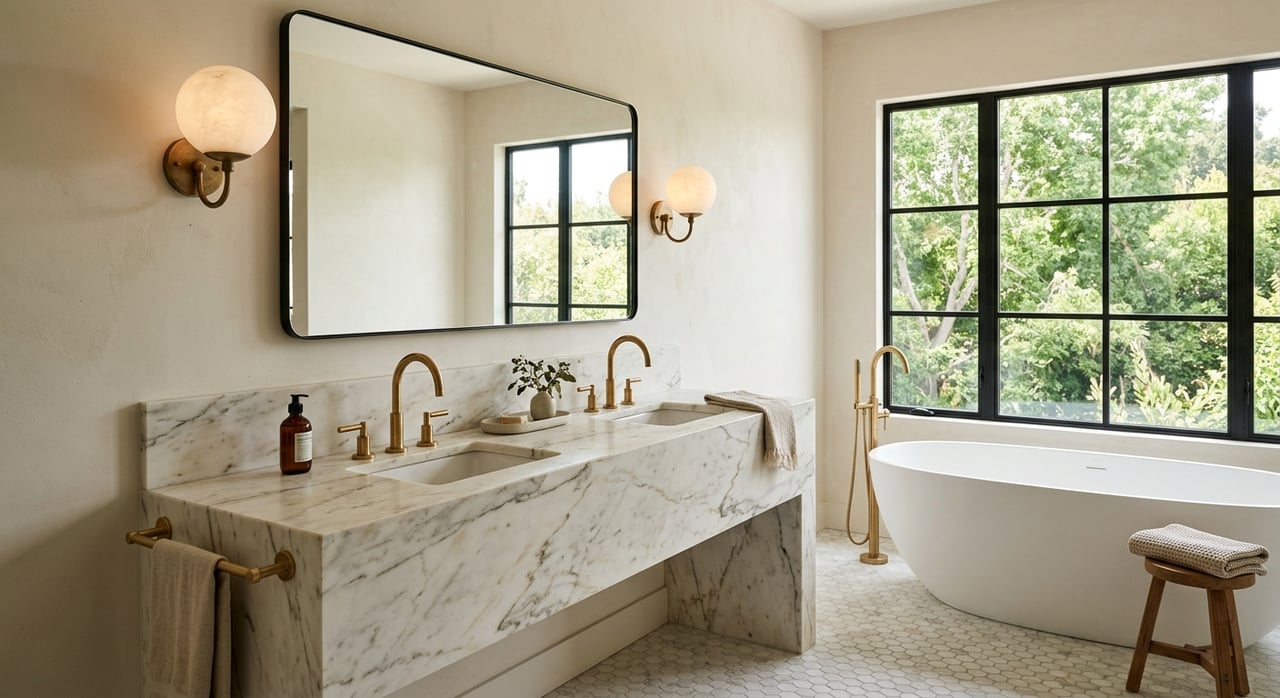
In a historic home, that usually looks like a careful refresh rather than a trend-driven overhaul. You might improve lighting, update hardware, refine storage, or modernize a kitchen or bath in a way that still respects the home’s scale and detailing.
Closet renovation also stood out in the report as a strong cost-recovery project. In an older Moorestown property, better storage can make the house feel more livable without changing its architectural identity.
If your home is a Historic Site or a Contributing Property within Moorestown’s designated historic district, exterior work and other permit-related projects deserve early attention. The ordinance says applications involving construction or demolition permits, or certificates of zoning compliance, are referred to the Historic Preservation Commission.
The minor-work list is also broader than many owners expect. It includes items such as in-kind roof or exterior wall replacement, window and door replacement in the same opening, porch or deck work, exterior storm windows, shutters, awnings, storm doors, screen doors, and some mechanical or utility equipment.
For larger projects, review criteria focus on compatibility. That includes height, massing, scale, openings, materials, texture, and overall exterior design.
The practical takeaway is simple: if you are thinking about roof work, exterior changes, major additions, or visible upgrades before listing, plan early. It is much easier to build a smart prep timeline when you understand the review path from the start.
If you want the strongest return with the least disruption, follow a disciplined order. Historic homes usually perform best when sellers move from visible basics to more strategic upgrades.
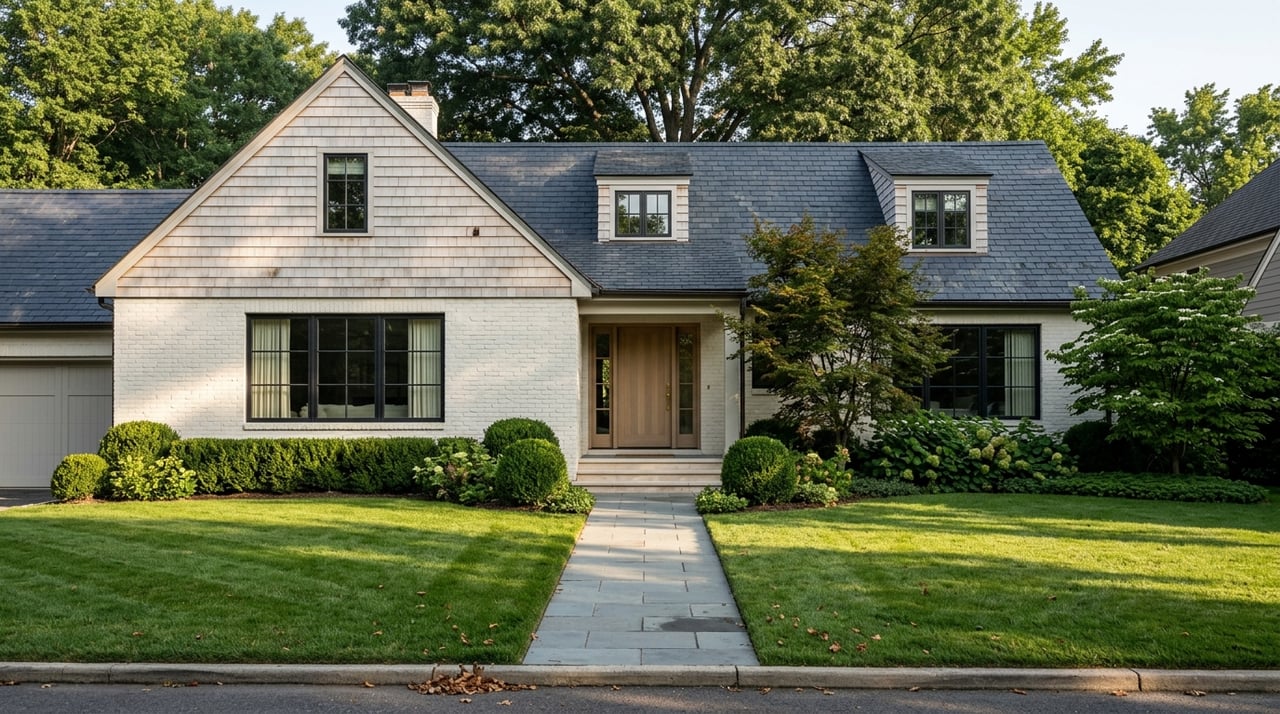
This stage is about immediate impact. Clean thoroughly, declutter aggressively, improve lighting, touch up worn surfaces, and sharpen the exterior first impression.
For many homes, this alone changes how buyers respond online and in person. It also helps you see more clearly which issues are cosmetic and which truly need investment.
Next, address the details that affect comfort and function while preserving character. Repair original elements when possible, update select fixtures and hardware, improve storage thoughtfully, and use weatherstripping or storm windows to reduce drafts.
This is where a design-aware plan helps most. You want the house to feel more usable without flattening the qualities that make it memorable.
Save larger renovations for changes that genuinely improve livability and value. Kitchens, baths, roofing, HVAC, and visible exterior work belong in this category.
In Moorestown, these projects should be considered carefully, especially if local review may apply. Bigger is not always better. Better planned is what buyers tend to notice.
It is also worth remembering that some buyers will absolutely consider a home that needs work. According to NAR’s 2024 fixer-upper article, more than half of prospective buyers would consider one, largely because of the lower price point and the chance to create something more personal.
That can work in your favor if your house is not fully updated. Buyers are often open to a project when the pricing, condition, and future potential make sense together.
What they do not want is confusion. They want a believable path from current condition to finished result.
That is why preparation matters so much. Even if you do not complete every update, presenting the home clearly, addressing obvious maintenance, and protecting its best architectural features can make the opportunity feel far more compelling.
The best historic home sales in Moorestown usually do not come from removing every trace of age. They come from helping buyers see how original character and modern living can coexist.
When you prepare your home in that spirit, you are doing more than checking boxes before listing. You are shaping the story buyers tell themselves the moment they walk through the door.
If you are preparing a historic Moorestown home for sale and want a thoughtful plan that balances architecture, market readiness, and strategic updates, Holly Garber can help you evaluate what to preserve, what to improve, and how to present your home with clarity.
Whether you are preparing to sell, searching for your next home, planning a renovation, or exploring an investment opportunity, I welcome a confidential conversation about your goals.