How To Read Moorestown Home Architecture And Layout
If you have ever walked through Moorestown and thought, “This house feels great, but I’m not sure why,” you are not alone. In this town, architecture tells you a lot about how a home lives day to day, from how light moves through the rooms to whether the layout feels formal or easygoing. Once you know what to look for, you can read a home more clearly and make smarter decisions about livability, updates, and long-term value. Let’s dive in.
Moorestown is not a one-style town. Its historic core developed along Main Street and Chester Avenue, and the National Register nomination describes that area as a layered district with everything from modest workers’ housing to architect-designed mansions.
That mix is what makes Moorestown so interesting for buyers and sellers. You are not just comparing finishes or square footage. You are often comparing very different ideas of how a home was meant to function.
The town also has a strong preservation framework. In April 2025, Moorestown adopted Ordinance 06-2025, which created Chapter 96 on Historic Preservation and requires a Certificate of Appropriateness for many exterior changes within the historic district.
For you, that means architecture is not just aesthetic. In many cases, it can affect renovation planning, exterior changes, and how a future project may need to be approached.
A house usually gives away its layout before you ever step inside. The facade, roofline, window pattern, and front entry can all hint at whether the floor plan is formal, flexible, compact, or more open.
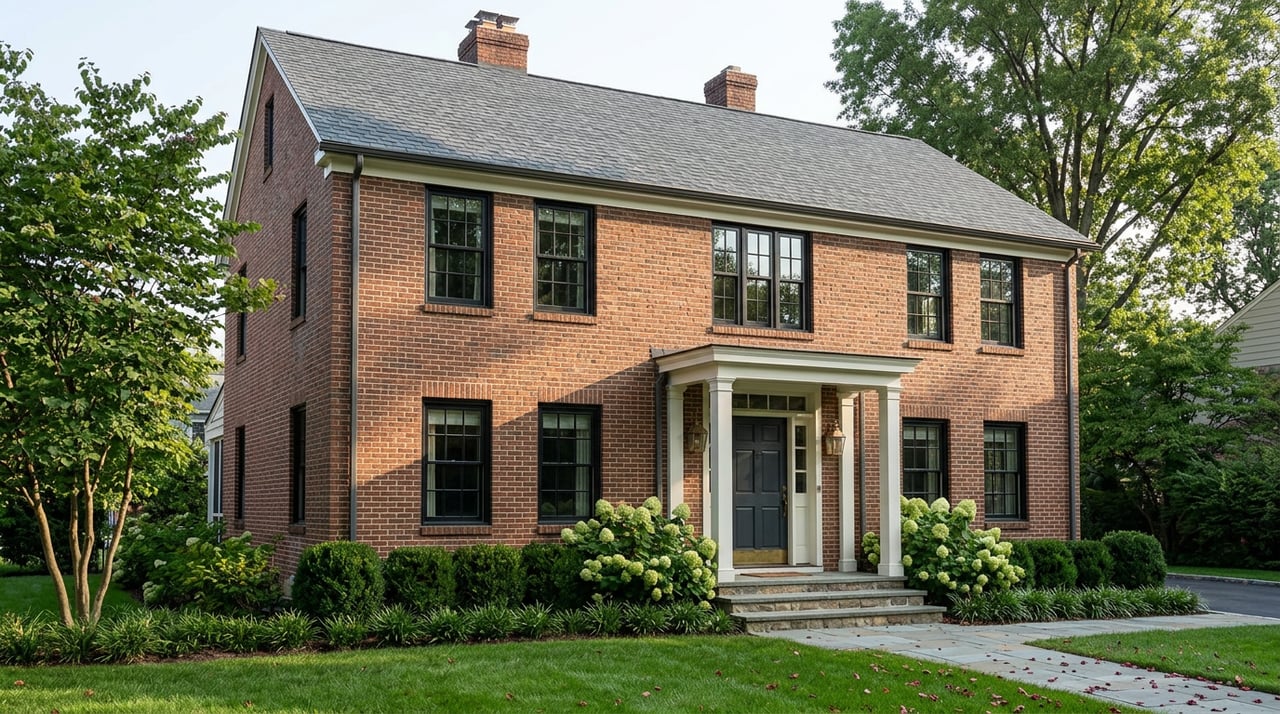
In Moorestown, a centered doorway, evenly spaced windows, and a balanced front elevation often point to a more formal plan. A turret, wraparound porch, irregular bays, or a multi-plane roof usually suggest a more varied and less rigid interior arrangement.
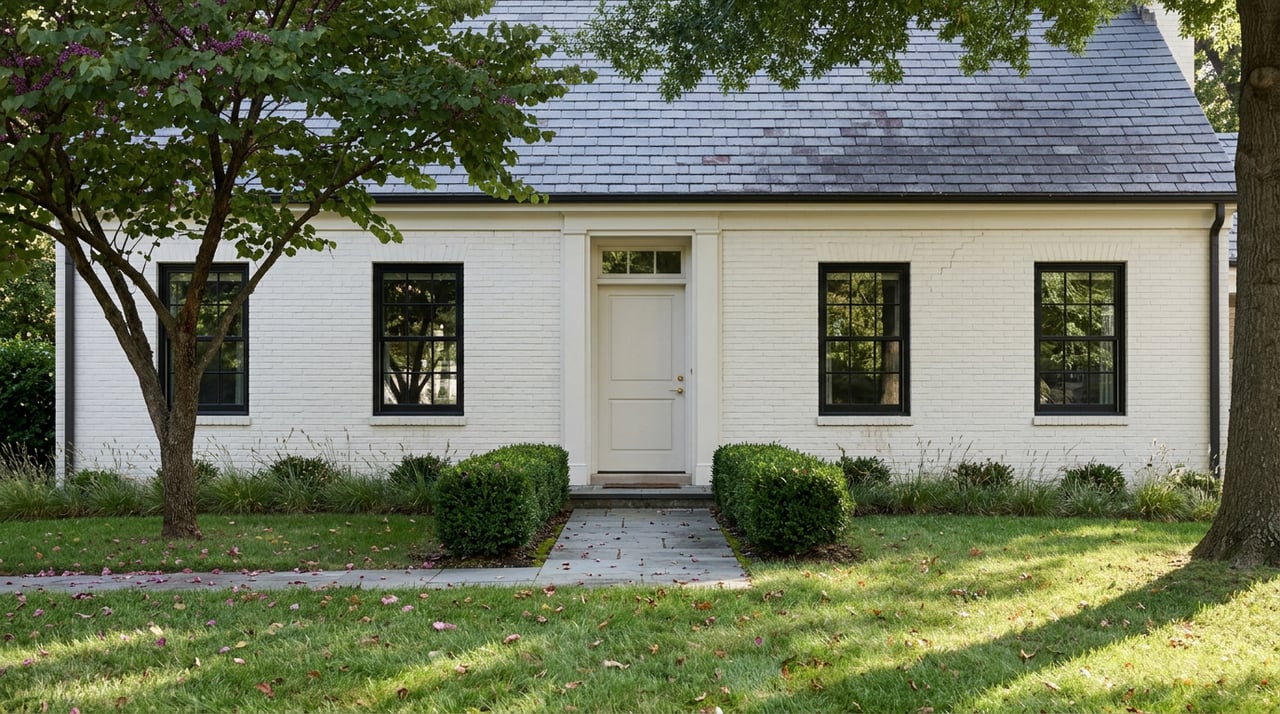
A long, low profile with fewer obvious separations often points to a postwar or later layout. Those homes tend to reflect a more open style of daily living, especially compared with older homes in the historic core.
Moorestown includes Federal houses, Colonial Revival buildings, and American Four Square Colonial Revival homes. These styles are generally tied to symmetry, centered entrances, and orderly exterior composition.
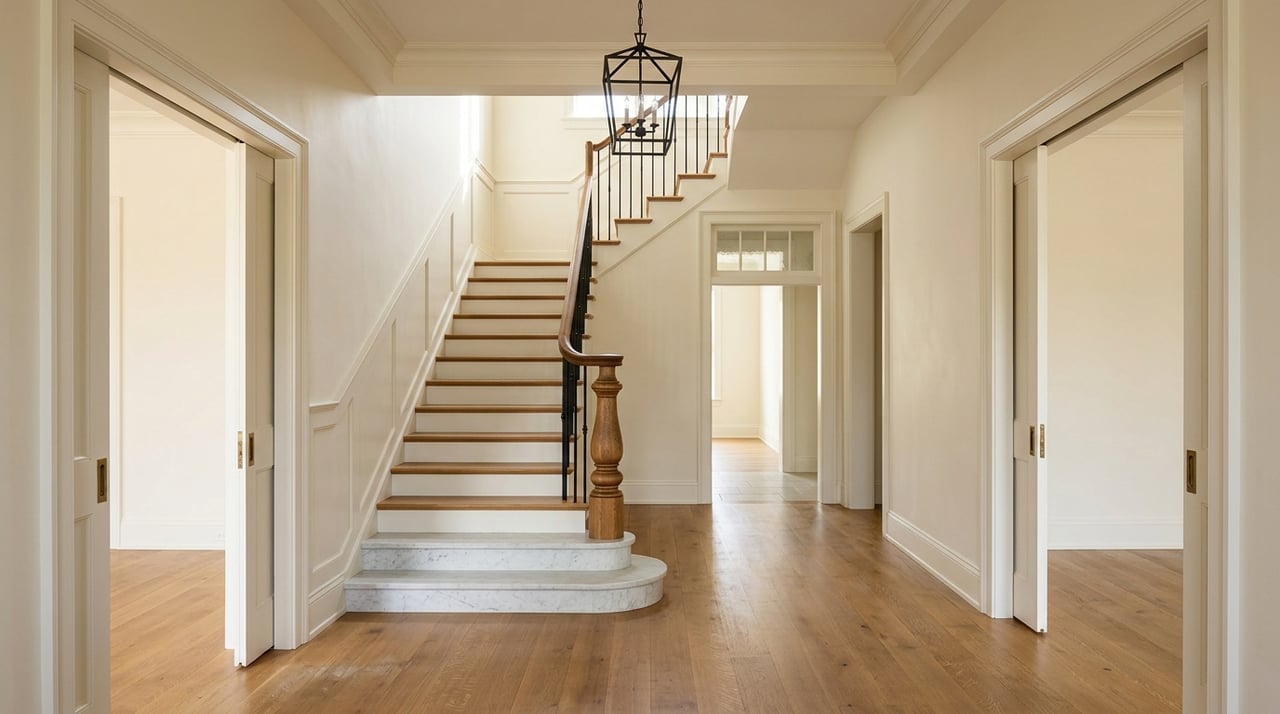
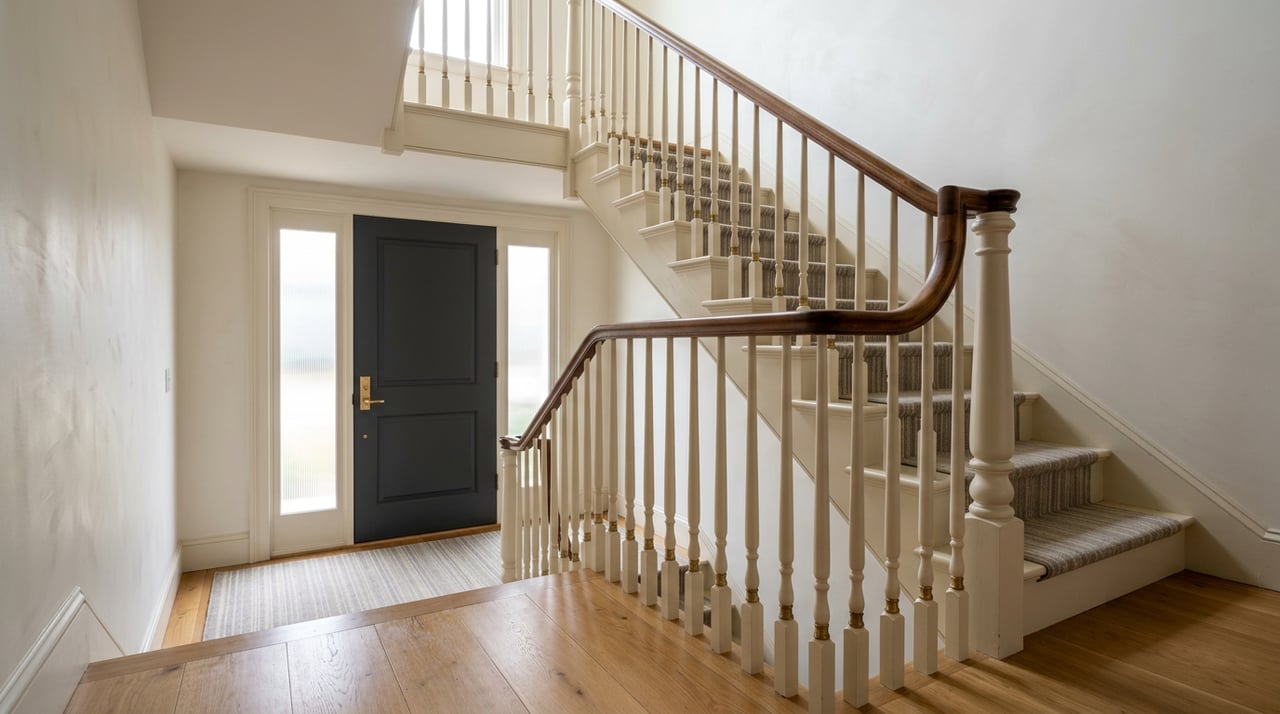
Inside, that usually translates to a plan that feels structured and easy to understand. You will often find a front hall, a clear stair location, and rooms that are more separated from one another rather than visually blended together.
This kind of layout can feel calm and intuitive. Furniture placement is often straightforward, and the distinction between formal and casual space is usually easier to read.
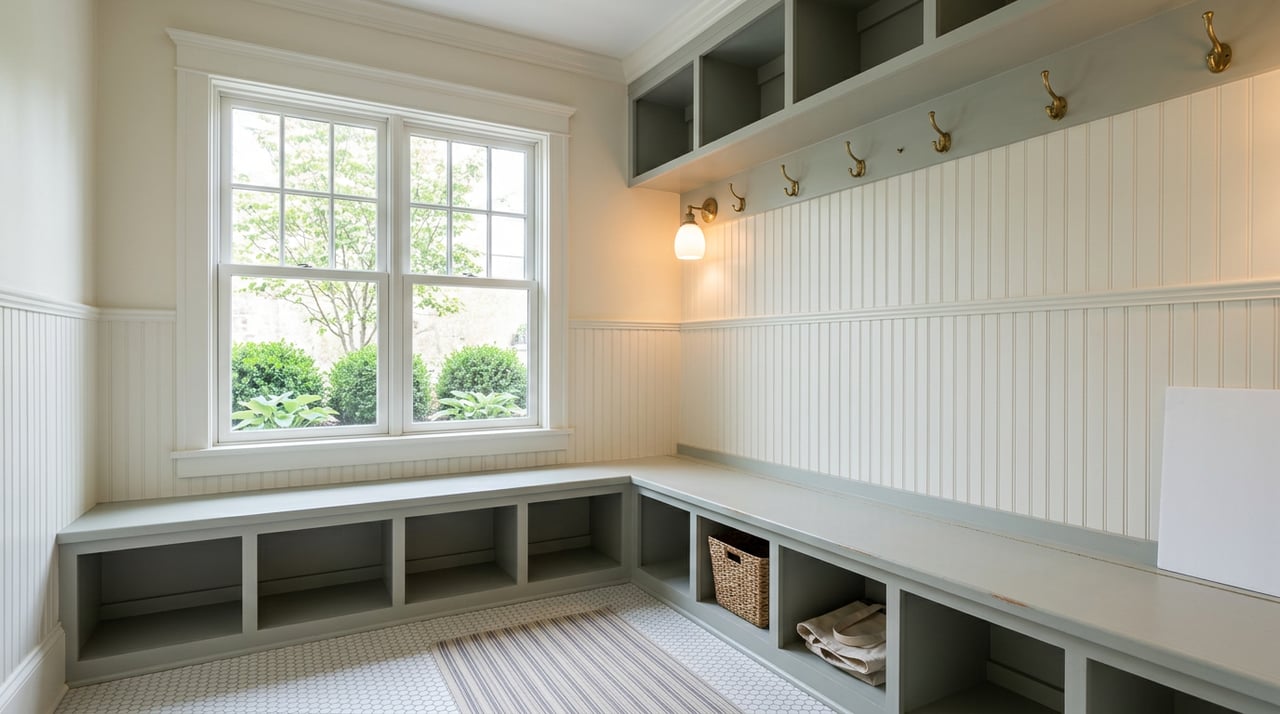
The tradeoff is that these homes may feel more compartmentalized. Kitchens, mudrooms, and family spaces can be smaller or more segmented unless a later renovation has been done with care.
If you like order, symmetry, and well-defined rooms, these homes often deliver that experience naturally.
Moorestown has a rich Victorian layer, including Queen Anne and Second Empire homes. The historic district inventory notes examples with mansard roofs, asymmetrical facades, stained glass, dormers, porches, and even turrets.
These homes often feel more dynamic from the moment you enter. Rather than fitting into a simple box, rooms may turn around a central stair, open at unusual angles, or shift in size and shape as you move through the house.
That often creates what buyers notice right away: more visual interest, richer sightlines, and a stronger sense of character. Daylight can also feel more varied because bays, dormers, and projecting forms change how light enters the interior.
Still, charm comes with responsibility. Complex rooflines, decorative trim, porches, and original materials can make repairs or exterior work more involved.
If the house feels dramatic, bright, and less predictable, that is often the architecture doing exactly what it was designed to do.
Moorestown also includes early-twentieth-century homes that sit between Victorian complexity and Colonial Revival restraint. The National Register nomination highlights a Shingle Style house on Chester Avenue and a Tudor Revival house designed by W.W. Sharpley, while the New Jersey Historic Trust identifies the Moorestown Community House as English Gothic.
These homes are often especially appealing to design-conscious buyers because they tend to balance formal structure with visual variety. They may still have defined rooms and a clear circulation pattern, but the massing, rooflines, and material shifts usually soften the rigidity.
In practical terms, these homes can feel more architect-driven. They are often less boxy than earlier colonial-era houses and less standardized than many later suburban homes.
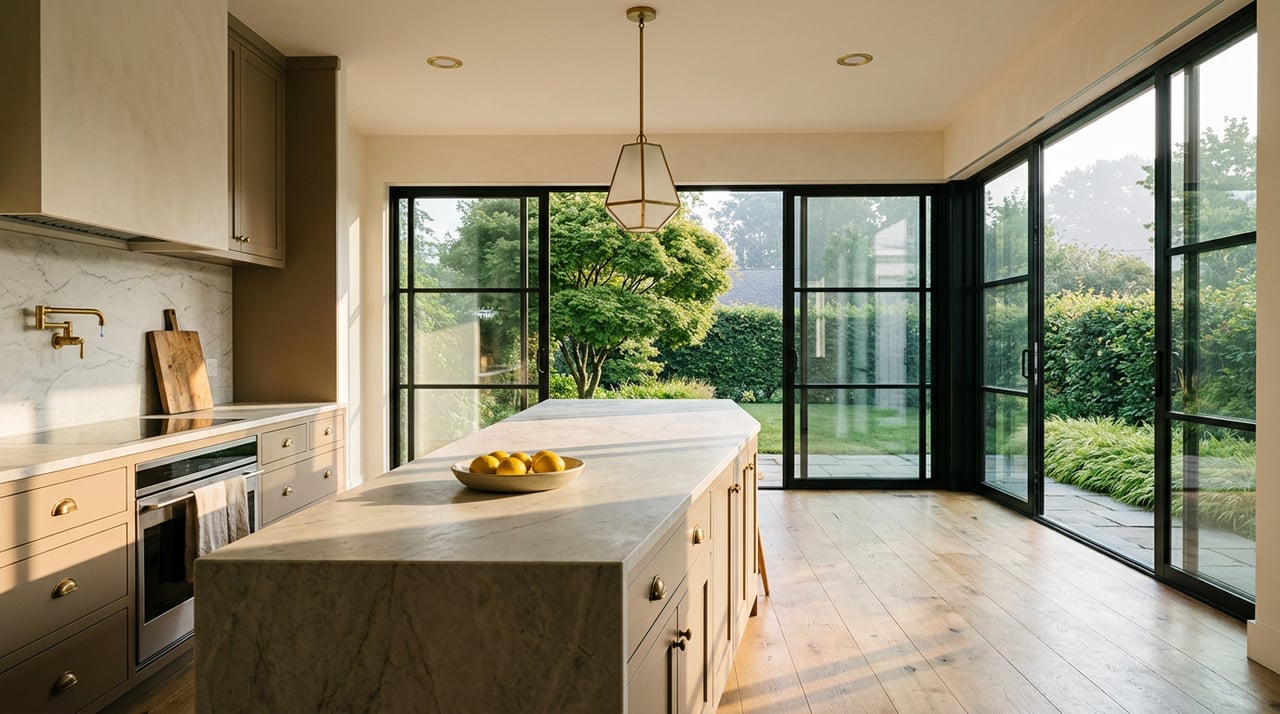
Outside Moorestown’s oldest core, later development becomes more common. The research points out that modern housing increases beyond the historic district, and postwar ranch-era planning introduced open floor plans and freer movement between living, kitchen, and dining spaces.
When you tour these homes, the difference is usually obvious. You may see fewer interior partitions, larger shared living areas, and a layout that supports everyday function with less formality.
That can make day-to-day living feel easier. The tradeoff is that these homes often offer less of the built-in architectural layering that older Moorestown houses provide.
For some buyers, that is a benefit. For others, it means looking closely at whether the home has enough character, proportion, and detail to feel lasting.
A beautiful home is not just about style. It is about how the plan supports your life, how rooms connect, and whether natural light reaches the spaces where you spend the most time.
In Moorestown, symmetry often signals a formal plan with clear public and private zones. Asymmetry usually signals more varied room flow, while a ranch-era or later plan often points to open communal living.
When you walk a house, try to look past the staging and ask a few simple questions:
These questions can tell you a lot about how the home will feel once the furniture, paint colors, and decor are gone.
This matters a lot in Moorestown because many homes in the historic core have lived more than one life. The National Register nomination notes that some large Main Street homes were adapted for professional uses and that adaptive reuse into stores has also been common along Main Street.
So when you tour an older home, pay attention to the sequence of spaces. A kitchen, family room, or entry area may reflect the original house, or it may reflect a later conversion or addition.
That is not automatically a problem. In fact, many of the best homes are the result of thoughtful change.
The key is understanding whether the updates support the original structure or fight against it. When an addition interrupts the original massing or creates awkward circulation, the house can feel unresolved no matter how polished the finishes are.
If you are drawn to historic homes in Moorestown, exterior renovation planning deserves extra attention. Under Ordinance 06-2025, many exterior changes in the historic district require a Certificate of Appropriateness, including work involving roofs, siding, windows, porches, garage doors, additions, fences, walls, new construction, relocation, and demolition.
Interior changes and ordinary maintenance are generally excluded. Still, if your vision includes changing visible exterior elements, it is wise to understand that review process early.
This is where reading the house correctly matters. The more clearly you understand what is original, what is altered, and what gives the home its architectural identity, the better your renovation decisions are likely to be.
Moorestown sits in an interesting South Jersey middle ground. It has an older colonial core, a strong Victorian and early-twentieth-century layer, workers’ streets, and newer homes at the edges.
That means comparing homes here requires more than asking which one is bigger or newer. A balanced Colonial Revival, a Queen Anne with layered massing, and a later open-plan home may all serve very different priorities, even if they seem comparable on paper.
If you understand what the architecture is telling you, you can judge a home more accurately. You can see whether you are paying for true character, practical flow, renovation potential, or simply surface-level updates.
In a town like Moorestown, that kind of discernment matters.
If you are weighing a purchase, preparing a sale, or trying to understand the renovation potential of a home with character, working with someone who can read both the real estate and the design side of the property can make the process much clearer. To start that conversation, connect with Holly Garber.

Whether you are preparing to sell, searching for your next home, planning a renovation, or exploring an investment opportunity, I welcome a confidential conversation about your goals.