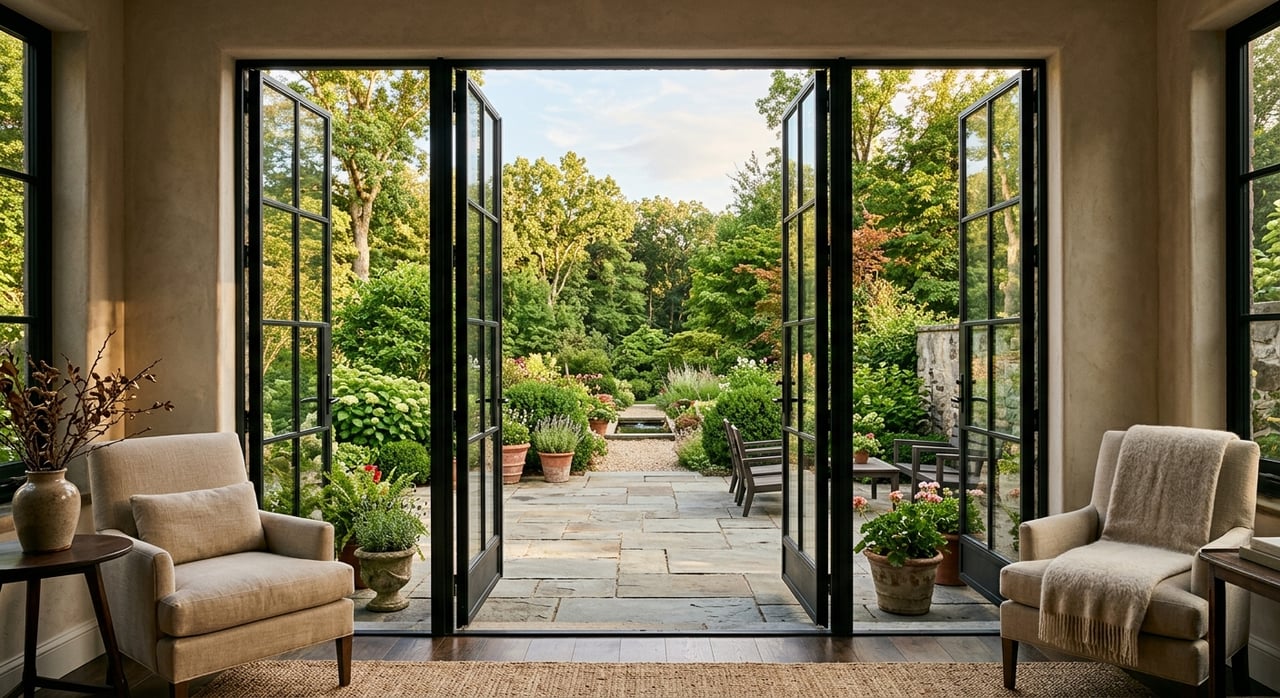
Decoding Haddonfield’s Neighborhoods For Home Buyers
Wondering why one part of Haddonfield feels walkable and historic, while another feels more spacious and renovation-friendly? That difference is real, and for a buyer, it matters. If you are trying to choose the right fit in Haddonfield, understanding how the town developed can help you make a smarter, more confident decision. Let’s dive in.
Haddonfield is not one uniform neighborhood. Its housing patterns reflect different eras of growth, which is why lot sizes, setbacks, home styles, and renovation possibilities can vary so much from one area to the next.
According to borough planning documents, residential standards in Haddonfield range widely, with minimum lot sizes from 4,000 square feet to 80,000 square feet and front-yard setbacks from 5 feet to 100 feet. In some locations, setbacks are based on the average of neighboring homes instead of one fixed rule. That helps explain why two streets just a short distance apart can feel very different.
The town’s history also plays a big role. The original 1875 borough was smaller than today and did not include areas such as West Haddonfield, Birdwood, the Estates, Fargo, Farwood, or the Gill Tract. Later expansion created a broader mix of neighborhood patterns across town.
For buyers, this means you should look beyond the listing photos. In Haddonfield, the age of a neighborhood often influences not only character, but also how flexible a property may be for future updates.
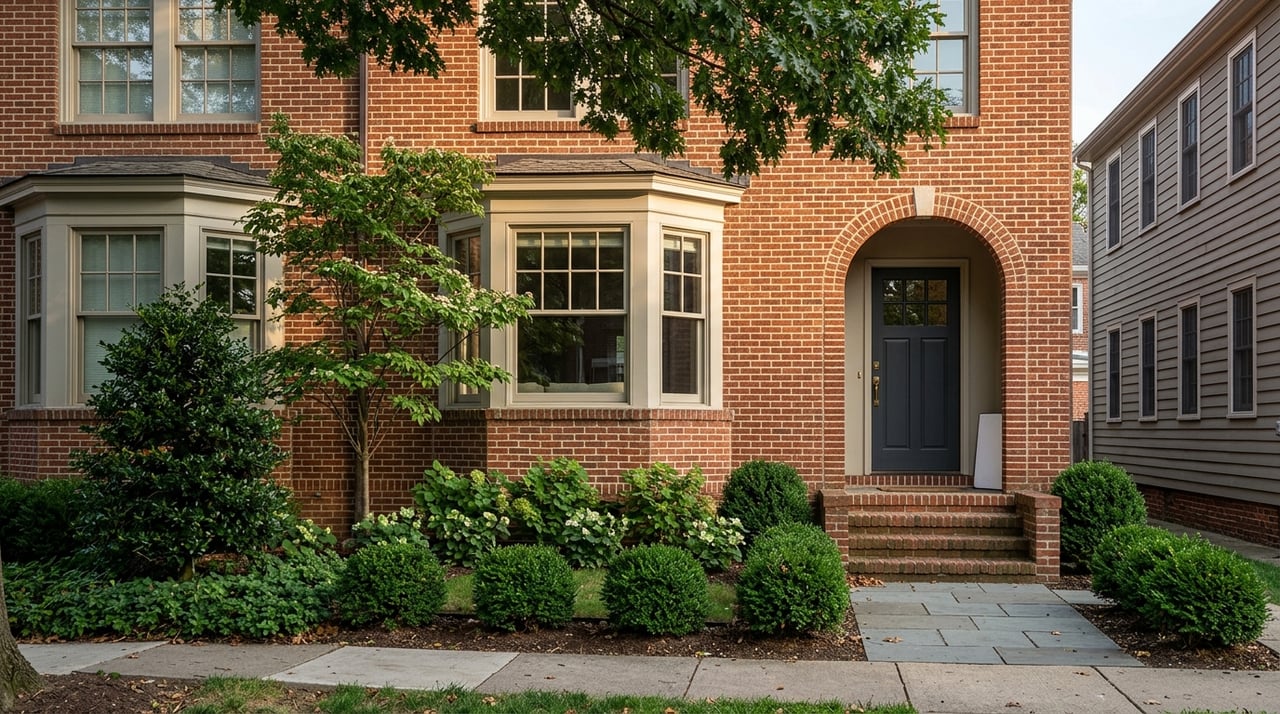
If you are drawn to classic architecture and a close connection to Haddonfield’s civic and commercial center, the downtown-adjacent area will likely stand out. This part of town blends older residential streets with the walkable heart of the borough.
The historic core is also the most preservation-sensitive section of Haddonfield. Town history notes that the 1971 Historic District law helped protect the core from demolition and incompatible exterior change. The Historic Preservation Commission reviews applications for exterior alterations, in-fill construction, and site changes within the historic district.
That does not make these homes less appealing. It simply means the decision to buy here should come with a clear understanding of what kind of improvements are easier to pursue and which ones may require closer review.
Recent examples near the core show relatively compact lot patterns, with properties on Chestnut Street and Kings Highway East listed on lots such as 4,752, 6,473, 9,252, and 10,001 square feet. These examples are not a townwide average, but they help illustrate the rhythm many buyers feel in the downtown-adjacent area.
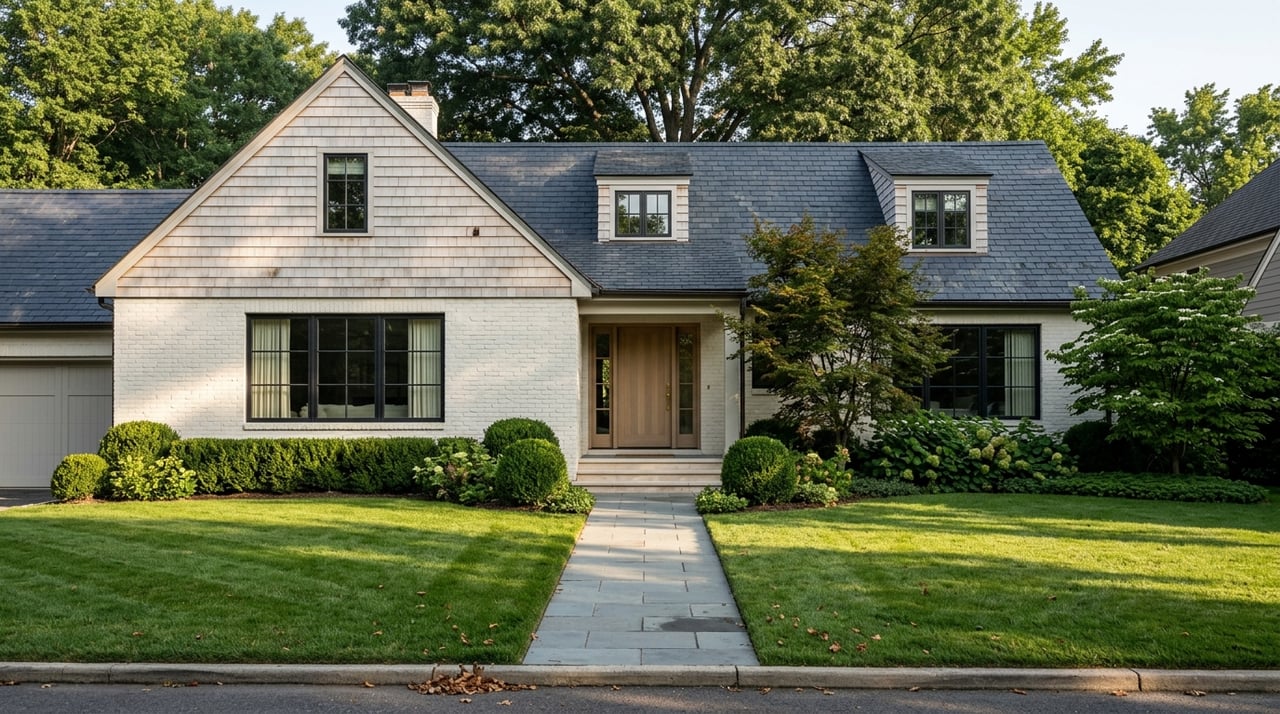
Architecturally, this is where Haddonfield’s older housing character is most concentrated. Town history points to Victorian homes built on spacious lots near the center as farms were sold for development, and the historic district has helped preserve that older appearance.
You may notice:
This part of Haddonfield often works best if you value:
From a design and renovation perspective, many buyers here focus on kitchens, baths, systems, and thoughtful rear additions rather than completely redefining the front-facing look of the home. If you love old-house character and want to improve livability without losing that sense of place, this can be a strong fit.
If the historic core feels a bit too compact, the west side may offer a more balanced option. West Haddonfield developed later than the original borough center, and that later growth helps explain why it often feels a little more residential-suburban.
Historical records note that West Haddonfield was not part of the original borough footprint. They also note that West End Avenue, originally called Union Avenue, was only one block long during the Civil War era. For today’s buyer, that history shows up in a neighborhood pattern that is often less tightly tied to the earliest core.
Recent examples on West End and Westmont show a broad range of lot sizes and home types. Listings have included lots of 5,227, 6,360, 7,500, and 9,588 square feet, along with 0.34-acre, 0.37-acre, and 0.73-acre properties.
The housing mix has included Cape Cods, bungalows, twins, and detached homes with porches or larger front lawns. That variety often gives the west side a different feel from downtown-adjacent streets.
You may notice:
West Haddonfield and West End often appeal to buyers who want a middle path. You still get Haddonfield character and convenience, but often with a little more flexibility around space, layout, and future improvement.
This area can be especially appealing if you are trying to balance charm with practicality. A home here may offer stronger potential for reworking the interior, expanding usable living space, or pursuing a more substantial renovation while still feeling consistent with the street around it.
For many buyers, this is where the conversation becomes less about strict preservation and more about thoughtful adaptation. If you want character, but also want room to make the home work for modern daily life, the west side may deserve a close look.
If privacy, landscape, and a larger renovation canvas matter most to you, the Haddonfield area near Tavistock often stands apart. This pocket reads differently from both the historic core and the west side.
Tavistock is its own small borough bordering Haddonfield. Official records note that it was incorporated in 1921 and covers about 160 acres, or roughly a quarter of a square mile. That small footprint contributes to the enclave-like feel many buyers notice.
Planning documents from Tavistock also show larger residential parcels than what you commonly see near downtown Haddonfield. A 2021 subdivision approval references lots of 33,586 and 18,791 square feet in the R-1 zone, which is a very different scale from many downtown-edge examples.
Listing examples on the Haddonfield side near Tavistock reinforce the same pattern. Properties have been described as offering over 2.5 acres, private settings, fairway views, and close access to the country club area.
You may notice:
This area often suits buyers who want space, privacy, and long-term flexibility. If you are comparing a finished home versus a property with room for a significant redesign, this is often where those choices become more realistic.
From a planning perspective, larger lots can create more opportunity for additions, reconfiguration, or outdoor amenities without crowding the property. If your goal is to pair a strong location with a more expansive living environment, this area may be the most natural match.
When you tour homes in Haddonfield, it helps to think in terms of lifestyle, lot pattern, and renovation potential rather than broad labels alone. The same town can offer very different living experiences depending on where you focus.
A simple way to frame the main neighborhood profiles is:
None of these is inherently better than the others. The right choice depends on how you want to live, what kind of house you want to maintain, and whether your future plans lean more toward preservation, adaptation, or major transformation.
In Haddonfield, the best buying decisions often come from asking the right questions early. Since lot standards, setbacks, and preservation considerations can differ so much, a little extra diligence can save time and frustration.
As you evaluate a property, consider asking:
These questions can clarify whether a home fits your goals now and later. They also help you compare homes more strategically, especially if you are deciding between move-in-ready properties and homes with strong long-term potential.
Haddonfield is a town where nuance matters. Two homes with similar square footage can offer very different experiences based on their lot, street, development era, and renovation path.
That is why design-aware guidance can be especially valuable here. When you look at a home through the lens of architecture, layout flow, lot potential, and exterior constraints, you can make a more informed decision about both daily living and long-term value.
If you are considering Haddonfield and want a thoughtful read on where you may fit best, Holly Garber can help you evaluate the town with both market judgment and a design-minded perspective.
Whether you are preparing to sell, searching for your next home, planning a renovation, or exploring an investment opportunity, I welcome a confidential conversation about your goals.