Stone Harbor Fixer Upper Strategy for Smarter Renovation Plans
What looks like a bargain in Stone Harbor can become expensive very quickly if you focus only on finishes. A dated kitchen or worn flooring may be easy to picture changing, but flood rules, lot limits, and setback restrictions often shape the real opportunity. If you are thinking about buying a fixer with a smart renovation plan, this guide will help you evaluate the house beyond cosmetics and make more confident decisions before you commit. Let’s dive in.
In Stone Harbor, a fixer is often a site and envelope question before it is a design question. Two homes that look similar at first glance can have very different renovation potential based on zoning district, lot geometry, and flood elevation rules.
Stone Harbor has multiple residential zoning districts, including A, B, C, and D. The borough code also measures building height from design flood elevation in residential districts, which means flood planning directly affects what you may be able to build or change. Before you get attached to a layout idea, you need to understand the property’s zoning and physical limits.
In Residential A and B, principal homes are generally limited to two stories, 23 feet for a flat roof or 31 feet for a peaked roof. These districts also generally limit building coverage to 25%, impervious lot coverage to 55%, and total lot coverage with semipervious materials to 70%. Residential C uses different setback formulas based on lot size, but it still generally caps principal buildings at two stories with the same 23- and 31-foot height limits.
When you buy with a renovation mindset, you are not just asking, "Can I make this prettier?" You are asking, "What can this property realistically become?" That answer depends on the renovation envelope, meaning the legal and physical space available for improvement.
A strong candidate usually offers some combination of usable lot shape, workable setbacks, manageable flood considerations, and a house placement that supports better flow and light. If one of those factors is too constrained, even a well-located home may not support the changes you have in mind.
This is where design judgment matters. A property does not need to be large to have promise, but it does need a path forward that fits the code and the site.
A shore fixer should be screened for livability, not just square footage. The U.S. Department of Energy notes that effective daylighting starts with good orientation, that north-facing windows can bring natural light with less glare and heat, and that natural ventilation depends on how windows are oriented to prevailing breezes.
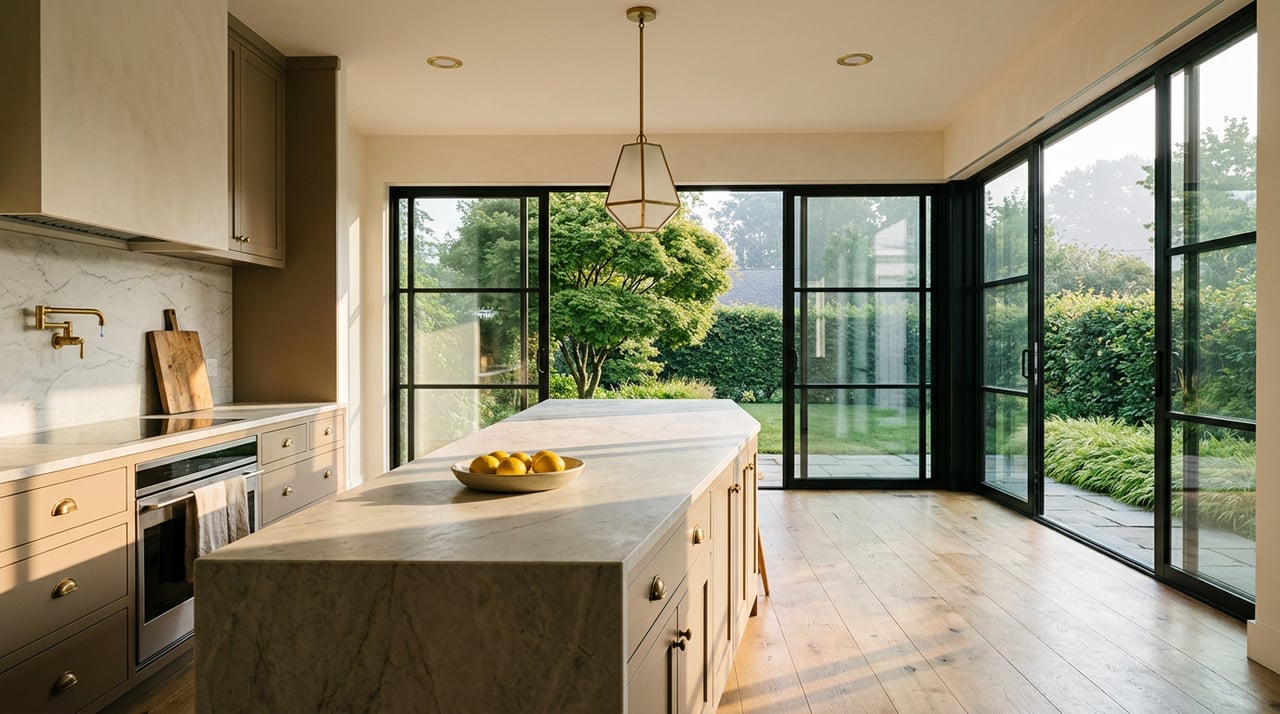
For you as a buyer, that means looking closely at where the main living spaces sit and whether the floor plan can cross-ventilate. It also means asking whether the rooms that need softer, steadier light are positioned well. A renovation can improve finishes and flow, but a home with stronger natural light and better air movement often starts with a real advantage.
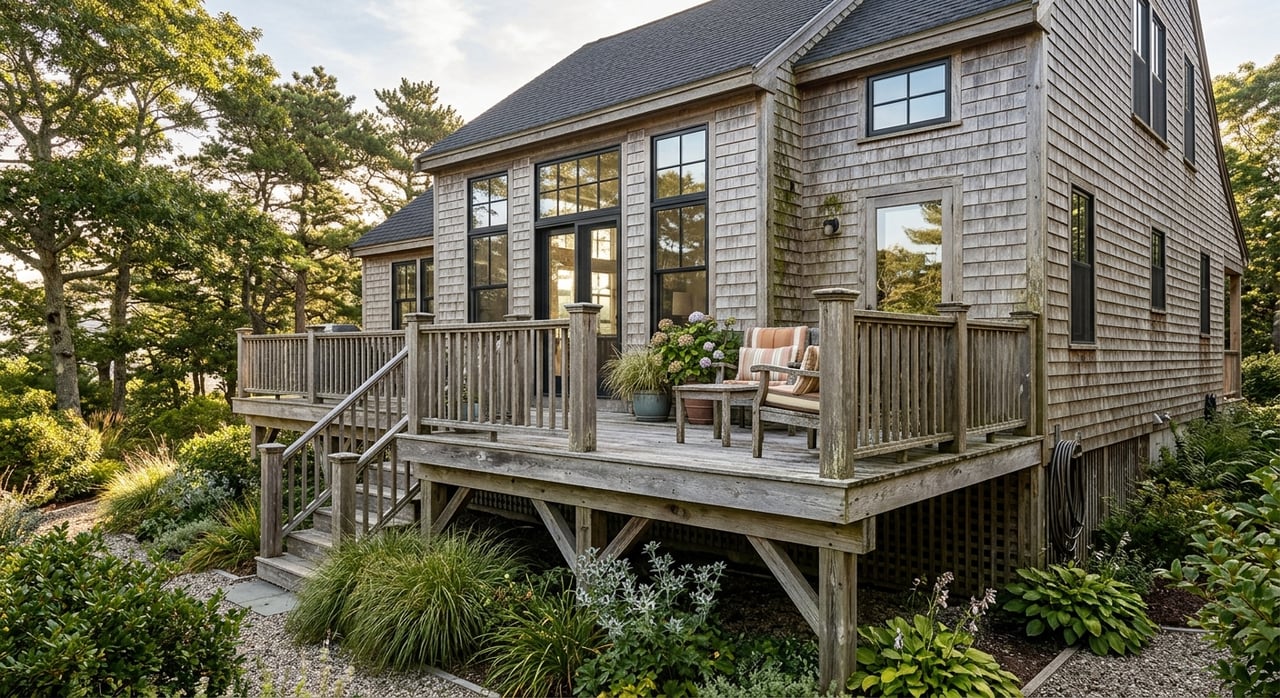
In Stone Harbor, outdoor areas are not just extra space. They are often part of the main renovation strategy. Decks, stairs, access points, and yard use can matter just as much as interior square footage, especially in elevated shore homes.
On beachfront properties contiguous to the Atlantic, no building or other structure may generally be built within 12 feet of the borough bulkhead, though certain decks, fences, wave barriers, and similar structures may be allowed if the required easement is granted. On back-bay and lagoon properties, no building or other structure may generally be located within 10 feet of the established bulkhead line.
The code also limits piers and docks on back-bay and lagoon properties to no more than 50% of the area bounded by the bulkhead and property lines. If your vision includes outdoor entertaining, water access, or a reworked arrival sequence, these rules should be reviewed at the very beginning.
Stone Harbor allows certain stairs or steps leading to a first-floor entrance landing or porch in yard spaces, subject to property line distance rules that vary by district and flood elevation. That may sound technical, but it has a direct effect on how an elevated home lives day to day.
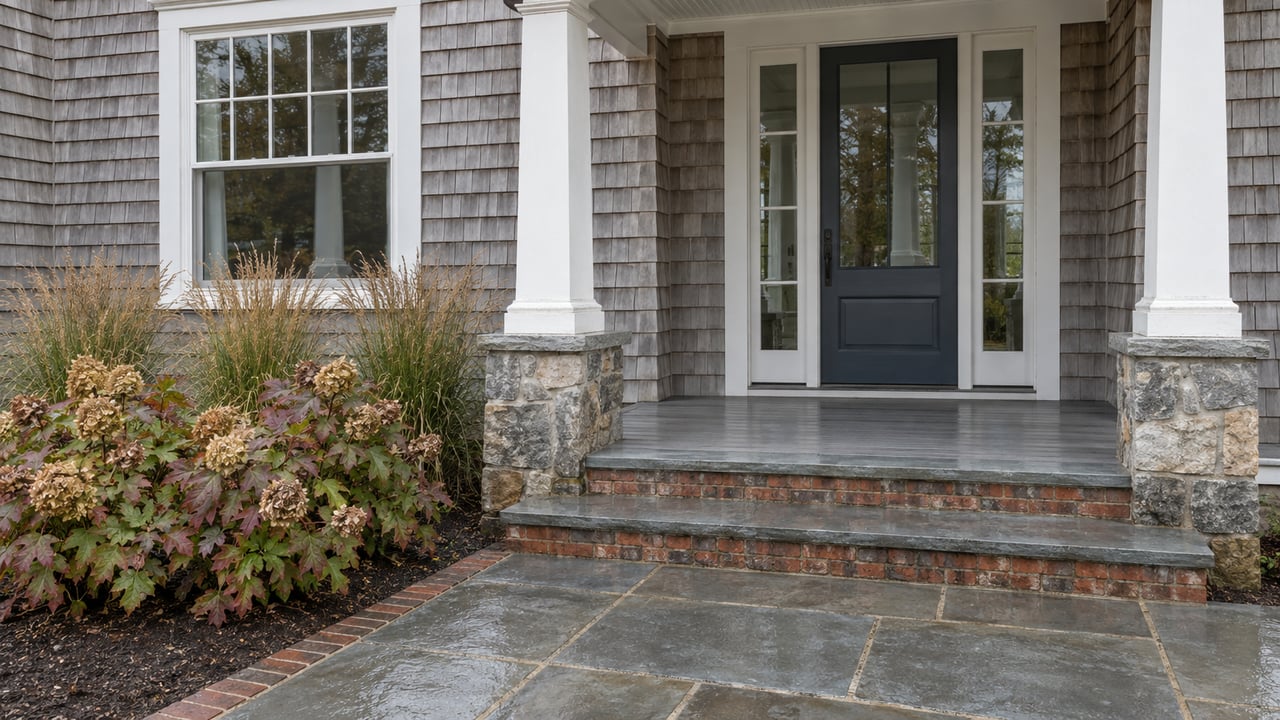
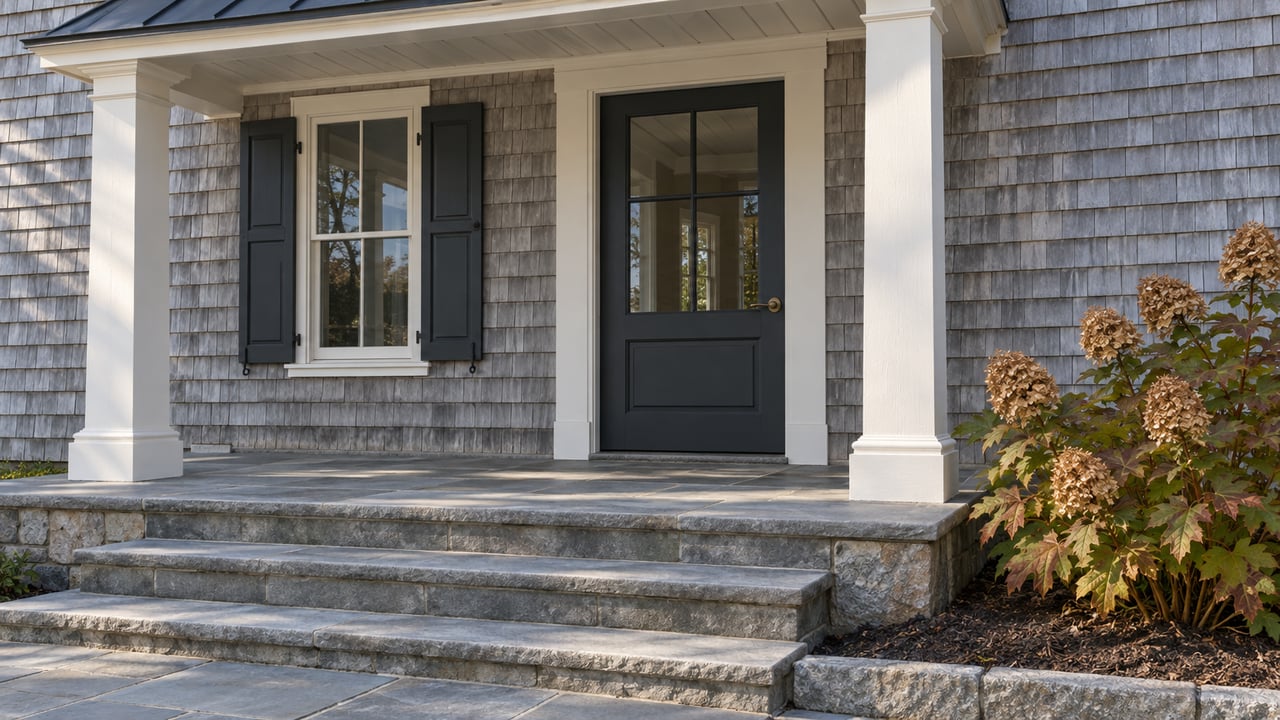
If you are buying a fixer, entry design should be part of your planning from the start. A comfortable, well-resolved approach to the house can improve function, aesthetics, and the overall experience of the property. In a shore home, the circulation strategy is often part of the value.
Some Stone Harbor homes sit on lots that are smaller or more irregular than what buyers expect. That does not automatically rule out a renovation, but it does mean the property needs more careful analysis.
The borough allows certain additions to conforming structures on nonconforming lots and certain additions to nonconforming structures with conforming uses, as long as the work does not create, expand, or increase a nonconformity. The same rules do not allow additions or expansion for nonconforming uses, and they do not allow vertical expansion of improvements located in a required setback area.
In practical terms, a house may have room for thoughtful improvement, but not in the way you first imagined. That is why a measured review of setbacks, coverage, and existing nonconformities can save you from expensive assumptions.
Some buyers look at adjacent lots and assume a future transfer could solve a space problem. In Stone Harbor, that strategy needs careful review as well.
The borough requires a land transfer permit when less than all contiguous lots are being transferred. The permit cannot be issued if the transfer would create a new zoning nonconformity on either the transferred lots or the lots being retained.
If a fixer only makes sense because of a neighboring lot scenario, that issue should be studied before you rely on it in your plans. It is not something to leave for later.
Flood review is one of the most important parts of buying a Stone Harbor fixer. FEMA defines Base Flood Elevation as the elevation of surface water from a flood that has a 1% chance of occurring in any given year, and its Flood Map Service Center is the official public source for National Flood Insurance Program flood-hazard information.
Locally, Stone Harbor’s Borough Construction Official also serves as the Floodplain Administrator. That means flood questions are handled as part of the borough’s permitting process, not as a separate issue you can sort out later.
The Floodplain Administrator reviews permit applications, provides flood-hazard information, requires development in flood hazard areas to be reasonably safe from flooding, and coordinates inspections. For certain work, the borough can require certifications, added data, and engineering analyses prepared by a licensed professional engineer.
One of the biggest budgeting issues in Stone Harbor is the substantial improvement rule. The borough defines substantial improvement as any combination of reconstruction, rehabilitation, addition, or other improvement over a 10-year period that equals or exceeds 40% of the market value of the structure before construction begins.
If that threshold is reached, the Floodplain Administrator can require an appraisal, compare the project cost against the structure’s market value, and notify the applicant that flood-resistant construction requirements apply. For a buyer, this can change the scope and cost of a renovation in a major way.
A house that feels like a cosmetic project can become something much more involved once you add the real cost of work over time. That is why renovation pricing should be tested against this threshold early, not after closing.
In coastal areas, exterior work can trigger broader review than buyers expect. Stone Harbor’s flood code requires the Floodplain Administrator to confirm that necessary federal or state permits are in place before approval, and dune alterations require a New Jersey Coastal Zone Management permit before a flood-damage-prevention permit can be issued.
That does not mean every project becomes complicated, but it does mean you should treat permitting as part of the acquisition decision. The more your renovation touches site conditions, exterior structures, or flood-prone areas, the more important early planning becomes.
The order of operations matters in Stone Harbor. A zoning permit is required before the erection, construction, or alteration of a building or structure, and the application must include scaled plans. Where grading rules apply, the borough also requires grading plans prepared by a licensed engineer or surveyor.
The strongest fixer buyers usually assemble their team early. That often means a coastal-savvy home inspector first, then an architect or engineer who can test the house against setbacks, coverage, and flood-elevation limits, followed by a contractor who can price the permit load realistically.
This sequence helps you separate a promising opportunity from a property that only looks affordable on paper. It also supports better decisions during due diligence, when timing and clarity matter most.
Stone Harbor also includes a zoning-compliance check in the transfer process. Before a certificate of title transfer is issued, the Zoning Officer or designee inspects the premises for compliance with Chapter 560.
That certificate is required before a buyer occupies the structure, and it remains valid for 180 days. New construction is exempt only if the original certificate of occupancy was issued within 18 months of the transfer.
For buyers of older or altered homes, this is another reason to look beyond finishes. Compliance issues can affect timing, expectations, and your path to occupancy.
The monthly cost of a fixer is not just mortgage plus renovation. Flood insurance should be part of your early numbers.
FEMA’s April 2025 CRS eligible-communities list shows Stone Harbor as a Class 5 community, and FEMA says CRS participation can reduce flood insurance premiums. Even with that potential benefit, you should still model carrying costs with a real flood quote rather than assuming the insurance side will work itself out.
When buyers skip this step, they can underestimate the true cost of ownership. In a market like Stone Harbor, disciplined budgeting protects both your plans and your peace of mind.
The best fixer is not always the cheapest one. Often, it is the property with a realistic approval path, a strong site, and a layout that can be improved without fighting the lot, the code, or the flood rules.
You want a house where the investment creates better living, stronger function, and lasting value. That takes more than imagination. It takes clear analysis before you buy and a renovation plan grounded in what the property can truly support.
If you are weighing a Stone Harbor fixer and want a calm, design-aware perspective on what is possible, Holly Garber can help you evaluate the opportunity with long-term value in mind.

Whether you are preparing to sell, searching for your next home, planning a renovation, or exploring an investment opportunity, I welcome a confidential conversation about your goals.