Finding Renovation Potential In Marlton’s Suburban Homes
If you have walked through homes in Marlton and thought, “This place has potential, but I can’t quite see the finished version,” you are not alone. In an established suburban market, the best opportunities often come from houses with solid bones and older layouts that no longer match how you live today. When you know what to look for, you can spot meaningful renovation potential, avoid costly surprises, and make smarter decisions about where to invest. Let’s dive in.
Marlton is the main developed section of Evesham Township in Burlington County, near the Route 70 and Route 73 corridor and about 11 miles southeast of Philadelphia. Evesham’s housing history shows that much of the township’s postwar suburban growth began in the 1950s and accelerated in the 1970s. That matters because many homes were built for a different era of daily living than what buyers and homeowners often want now.
This is not a market defined by large-scale new construction. It is an established suburban area where existing homes often hold untapped value in their layout, storage, lower levels, and system updates. In the broader township, 73% of housing units are single-unit homes and 72.2% are owner-occupied, which supports the idea that detached suburban houses remain a major part of the local housing mix.
It is also worth keeping the local housing mix in perspective. Marlton proper is somewhat more varied, with 59% single-unit homes and 56% owner-occupied units, according to Census Reporter data for the Marlton CDP. In other words, not every Marlton address is the same type of renovation candidate, so it helps to evaluate each property on its own structure, layout, and long-term use.
In older suburban homes, the strongest renovation opportunities are often about how the house works rather than how it looks. Paint colors, fixtures, and finishes can change the feel of a home, but layout, room use, and storage usually make the biggest difference in everyday livability.
That is especially true in Marlton’s housing stock. Because many homes come from earlier suburban buildout periods, the best improvements often involve main-level flow, bedroom allocation, and bath utility. If you focus on those areas first, you are more likely to create a home that feels current without changing everything.
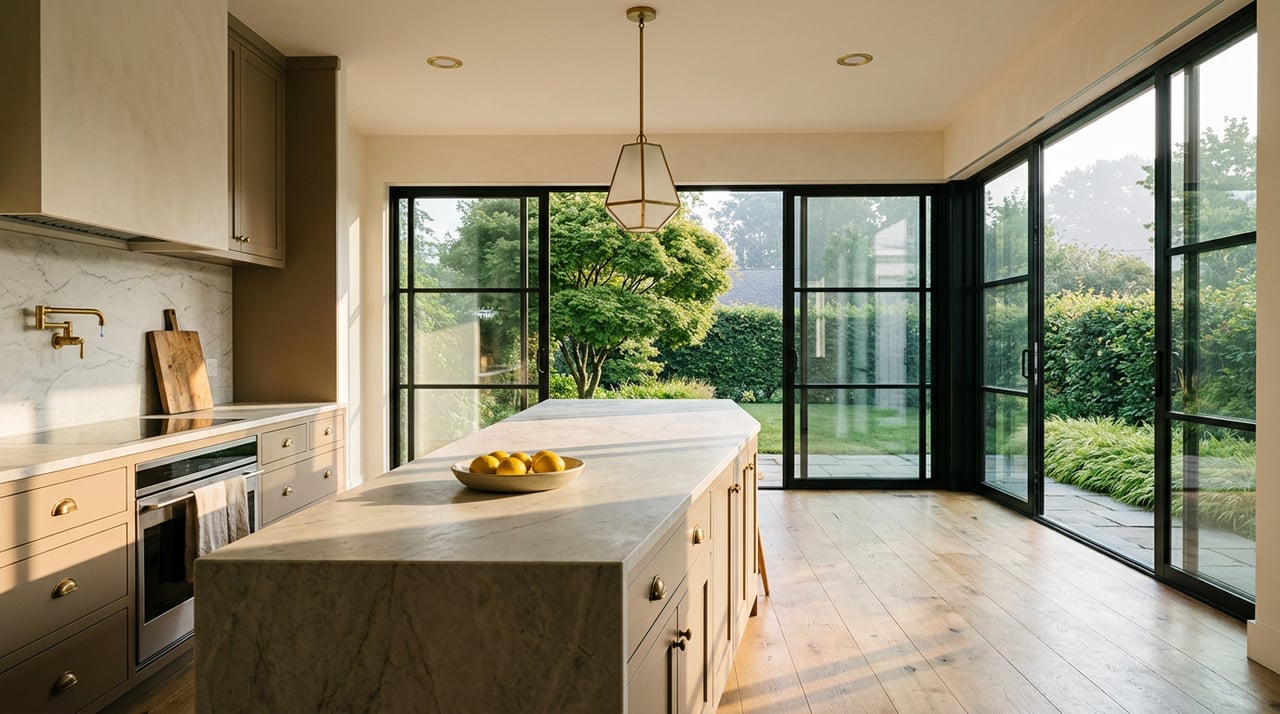
One of the most common opportunities in Marlton’s suburban homes is improving the relationship between the kitchen, dining, and living areas. Older floor plans may feel more segmented, which can limit sight lines, circulation, and natural light.
Opening or reworking these spaces can have a high impact. A better main-level flow can make the home feel brighter, more connected, and easier to live in day to day. For buyers, that can mean seeing past dated walls or awkward transitions to the way the home could function after thoughtful updates.
This does not always mean creating one large open box. Sometimes the smarter move is refining circulation, widening openings, improving lines of sight, or making the kitchen work better with adjacent rooms. The key is to think about how the spaces support real life, not just trends.
Another strong area of renovation potential is bedroom use. In many established suburban homes, the original bedroom count and room sizes may not line up with how you want to live now.
A secondary bedroom might become a more functional office, guest room, dressing space, or improved storage area. In some homes, reworking bedroom space into a larger primary suite can make the layout feel much more current and comfortable. These kinds of changes often improve livability without requiring a full addition.
When you tour a home, try to look past the current furniture and labels on the listing. Ask whether the existing room count is really the best use of the square footage, or whether a more intentional bedroom plan could create a stronger result.
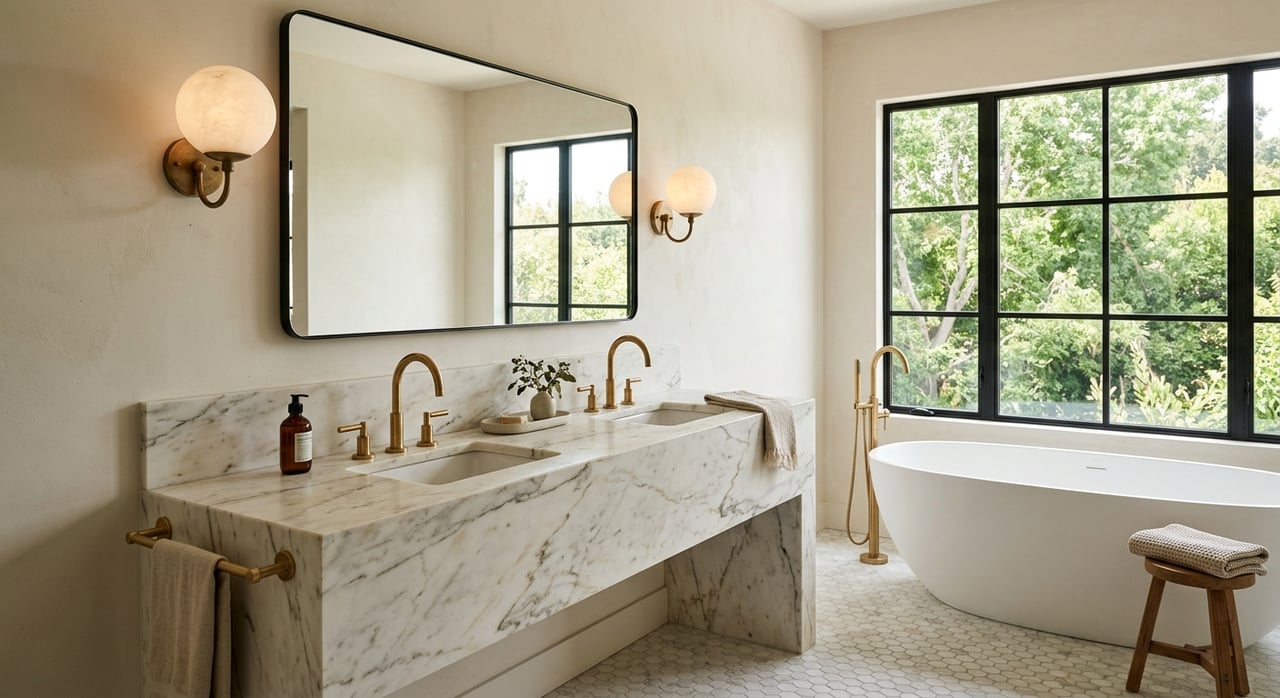
Bathrooms are one of the clearest places where older homes can benefit from meaningful improvement. A refresh can improve comfort, utility, and day-to-day convenience, especially when paired with better storage or a smarter layout.
In New Jersey, bathrooms are explicitly treated as part of home-improvement work. That makes them important not only from a design standpoint, but also from a planning and compliance standpoint. If a bathroom project goes beyond surface-level cosmetic changes, it is wise to understand the scope early.
For homeowners and buyers alike, bath potential is often about more than style. Better function, better flow, and better use of available square footage can make a much bigger impact than simply swapping out finishes.
If you are evaluating renovation potential, do not stop at the visible rooms. Lower levels, garages, windows, doors, roofing, siding, insulation, and HVAC can all play an important role in a larger improvement plan.
These updates may not always be the most visually exciting, but they can shape comfort, efficiency, and the long-term performance of the home. In some cases, a house with dated finishes but solid system-upgrade potential may be a smarter opportunity than one that looks polished on the surface but leaves bigger issues unresolved.
New Jersey’s home-improvement framework covers a wide range of residential work, including finished basements, additions, windows, doors, roofing, siding, insulation, and HVAC. That is a helpful reminder that renovation potential is not just about design ideas. It is also about understanding scope, sequencing, and the kind of work a property may require.
A fresh coat of paint, updated lighting, or cabinet hardware can change the feel of a house quickly. But once you move into layout changes, baths, additions, lower-level finishing, or system work, you are in a different category of planning.
That distinction matters in Marlton because permits must be in place before work begins, except for limited emergency replacements, according to Evesham’s Construction Office. The township also notes that a zoning permit may be required depending on the project, and the office enforces the New Jersey Uniform Construction Code.
For you, that means renovation potential should always be viewed through two lenses at once: design upside and project requirements. A home may have excellent potential, but the best path forward depends on understanding what the work actually involves.
One of the biggest renovation mistakes is making layout decisions too late. If the scope is not clear before demolition begins, it becomes easier to run into rework, trade conflicts, or inspection delays.
A settled design plan helps connect the pieces. Layout changes affect trade sequencing, permit needs, and construction timing, so it is much easier to move forward with confidence when the plan is defined from the start. That kind of clarity is especially important when you are trying to decide whether a house is a smart purchase or whether your current home is worth upgrading.
This is where thoughtful guidance can make a real difference. A design-aware real estate perspective can help you see whether a home’s limitations are cosmetic, functional, or structural, and whether the likely upside fits your goals.
In New Jersey, home improvement contractors must be registered with the Division of Consumer Affairs. The state defines home-improvement work broadly enough to include renovating, remodeling, and modernizing residential property across many common project types.
Evesham’s Construction Office also states that the homeowner or site owner and the contractor share responsibility for making sure permits and inspections are handled correctly. That shared responsibility is important. Even if you hire experienced professionals, you still want a clear understanding of who is managing each step.
Before a major project begins, it helps to confirm that the scope is documented clearly and that the permitting path is understood. In an older suburban home, that preparation can protect both your timeline and your budget.
When you walk through homes in Marlton, try to evaluate them in layers instead of reacting only to finishes. A home with renovation potential often shows up through structure, layout, and adaptability.
Here are a few signs worth watching for:
The goal is not to find a perfect house. It is to identify whether the home has the right kind of potential for the way you want to live.
In Marlton, renovation potential is often about unlocking value that already exists in the home. Because this is an established suburban market, the opportunity is usually not in creating something from scratch. It is in refining what is already there.
That is why a function-first mindset matters. Better flow, smarter bedroom use, more useful baths, and a realistic understanding of permits and contractor requirements can help you make decisions with more clarity. Whether you are buying a home with strong bones or deciding how much to improve the one you already own, the best outcomes usually come from measured planning rather than impulse.
If you are weighing a purchase, preparing a future sale, or trying to decide which updates are truly worth making, working with someone who understands both property value and design direction can bring the whole picture into focus. If you are ready to explore that next step in Marlton or elsewhere in South Jersey, Holly Garber can help you evaluate potential with a more strategic eye.

Whether you are preparing to sell, searching for your next home, planning a renovation, or exploring an investment opportunity, I welcome a confidential conversation about your goals.