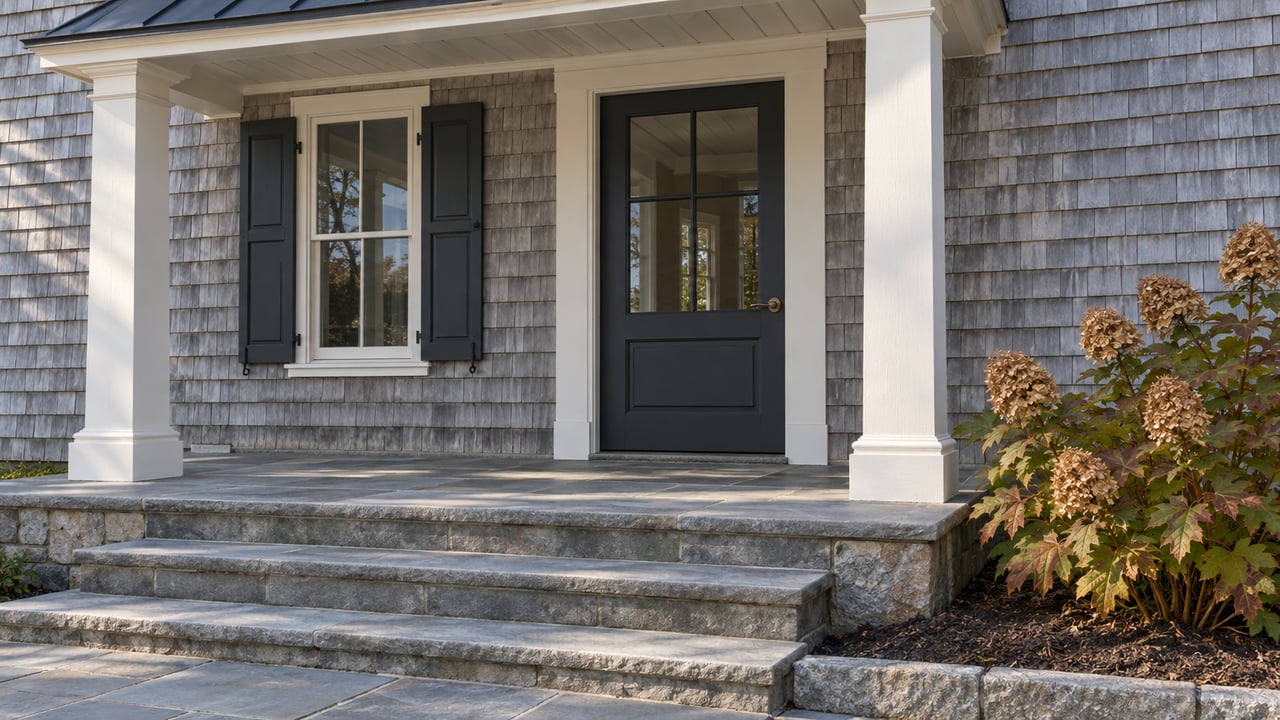
The Wetlands Institute Left Stone Harbor Boulevard So the Marsh Could Be Raised
What should you do with a marsh trail that flooded about twice a year in 2000 and about 70 times a year over the last five years? Those are the figures Dr. Lenore Tedesco, executive director of The Wetlands Institute, gave in August. The Institute's answer is to raise the trail, and that is why the building at 1075 Stone Harbor Boulevard has been quiet since Labor Day.
Monday, September 7 was the last day of public programs at the Stone Harbor Boulevard campus, the Institute's home for more than 50 years. The Institute hasn't left for good. It cleared the site so construction could happen in the months when the marsh is emptiest. Much of Stone Harbor's public work is now scheduled the same way. The months after the summer crowds leave have become the island's working season, and the Institute's move is the clearest example.
A $3,075,000 grant from New Jersey's Regional Greenhouse Gas Initiative (RGGI) Natural Climate Solutions program pays for the Salt Marsh Trail Revitalization project. In her fall column for the Seven Mile Times, Tedesco listed what the work includes:
Construction is expected to start in October 2026 and run through spring 2027. The goal is to finish raising the trail before sensitive wildlife returns. The terrapins set the deadline. This year the Institute saved more than 1,257 of them, and the new upland habitat is designed for their nesting. Planting will be staged. Areas beside the trail get planted in spring, and other sections need a full season to settle before more planting. So the trail may reopen in spring with some of its edges still bare and filling in.
The grant release ties the trail to the restoration of nearly five acres of tidal marsh in the Scotch Bonnet Island marsh complex. The project is the second phase of marsh restoration the Institute is doing with New Jersey Fish and Wildlife.
Clearing the campus meant moving all of it. All staff are relocating to the New Jersey Coastal Conservation Center at 600 N. Delsea Drive on Route 47 in Cape May Court House. The building was formerly NJ Audubon's Cape May Bird Observatory Center for Research and Education. The aquarium animals are going elsewhere. The Institute is moving them to the Aquaculture Innovation Center, run in partnership with Rutgers University, because its circulating seawater systems can house them.
For anyone who has made the Institute a winter weekend habit, here are the details for the temporary site:
Opens: Saturday, November 7 Hours: Saturdays and Sundays, 9:30 a.m. to 4:30 p.m. Programs: seasonal science activities, the Marine Teaching and Touch Tank, Creature Feature and Craft, Seashell Sunday, and special Science Features Admission: free for members; $10 for ages 13 and up and $8 for ages 4 to 12 for nonmembers Also on site: the Tidepool Shop, plus trails and native gardens overlooking a large marsh complex
Research and conservation work goes on during the move. The Institute's August update says the terrapin, marsh, and coastal bird teams will keep working, and school field trips, homeschool classes for the 2026/2027 school year, and scout programs will continue from the Cape May Court House site. Between the last day on Stone Harbor Boulevard and November 7, there are no public programs anywhere.
The order of the work is deliberate. Tedesco describes a three-phase plan for the marsh campus. Scotch Bonnet restoration was the first phase, the Salt Marsh Trail is the second, and a new main building is the third. Scotch Bonnet is an 86-acre marsh island beside the Institute. In the earlier restoration, 14,000 cubic yards of clean dredged sediment were spread over 5.5 acres of it. That sequence restores the marsh first, then the path through it, and only then the building, which will need both.
A start date for the building is still uncertain. Tedesco's column says the construction documents are complete, the required state permits are in hand, and the Middle Township Zoning Board has approved the plan, with work on the building targeted for late fall 2026. The Institute's own August release is more cautious. In it, Tedesco said:
"We're excited to embark on the Salt Marsh Trail work this fall as we continue finalizing plans, receiving remaining approvals, and raising funds to reimagine our campus."
Late fall is a target for the building, not a confirmed start. The trail work is the part that has a date. The planned building adds four dedicated classrooms, three outdoor and one indoor. The current building has none. It also enlarges the aquarium by 50 percent with new life-support systems.
The Institute is not the only project scheduled around the quiet months. A $15.8 million federal beach-fill contract includes about 538,867 cubic yards of sand for Stone Harbor, placed from 98th to 114th Streets and from 120th Street to the terminal groin. The dredge is working in Avalon first. Avalon's October 1 update projected its phase would finish on or about October 12, while an earlier estimate had the dredge leaving Avalon between November 1 and 14. No firm start date for Stone Harbor has been published.
The 96th Street Bridge replacement follows the same pattern over a longer stretch. In April, the borough's schedule had the first phase starting in fall 2026, built outside the existing bridge's footprint, with normal bridge operations continuing during that phase. The Cape May County Herald's August 9 update gave a later schedule. It says the existing span will be removed in fall 2028 and a temporary span will not be in place until close to the start of peak summer 2029. Of the two, the Herald's timeline is the more recent.
While the Institute's trail is under construction, the island's own natural areas are where to see marsh and shore birds this fall. New Jersey Audubon is running Sunset Birding at Stone Harbor Point on Tuesday, October 6 and Tuesday, October 13, from 4:30 to 6:30 p.m. Walks meet at the Point parking lot at the south end of Second Avenue, require preregistration, and are limited to 15 people.
The Stone Harbor Bird Sanctuary describes fall as southbound migration season. Its Heron Overlook is off Third Avenue, the Egret Espy path is off Second Avenue and 114th Street, and Holly Path is open year-round.
The October calendar continues on the beach and on 96th Street:
After the second Point walk on October 13, the next scheduled marsh program is November 7, when the Institute reopens its doors in Cape May Court House.
The Wetlands Institute's work shows how much better a place functions when it's rebuilt for the conditions it actually faces. If you're weighing how a Stone Harbor home should be restored or reconsidered, Holly Garber brings the same patience to that work. Begin the Conversation.

Whether you are preparing to sell, searching for your next home, planning a renovation, or exploring an investment opportunity, I welcome a confidential conversation about your goals.