In Haddonfield's Historic District, the Answer Is Usually Yes, With Conditions
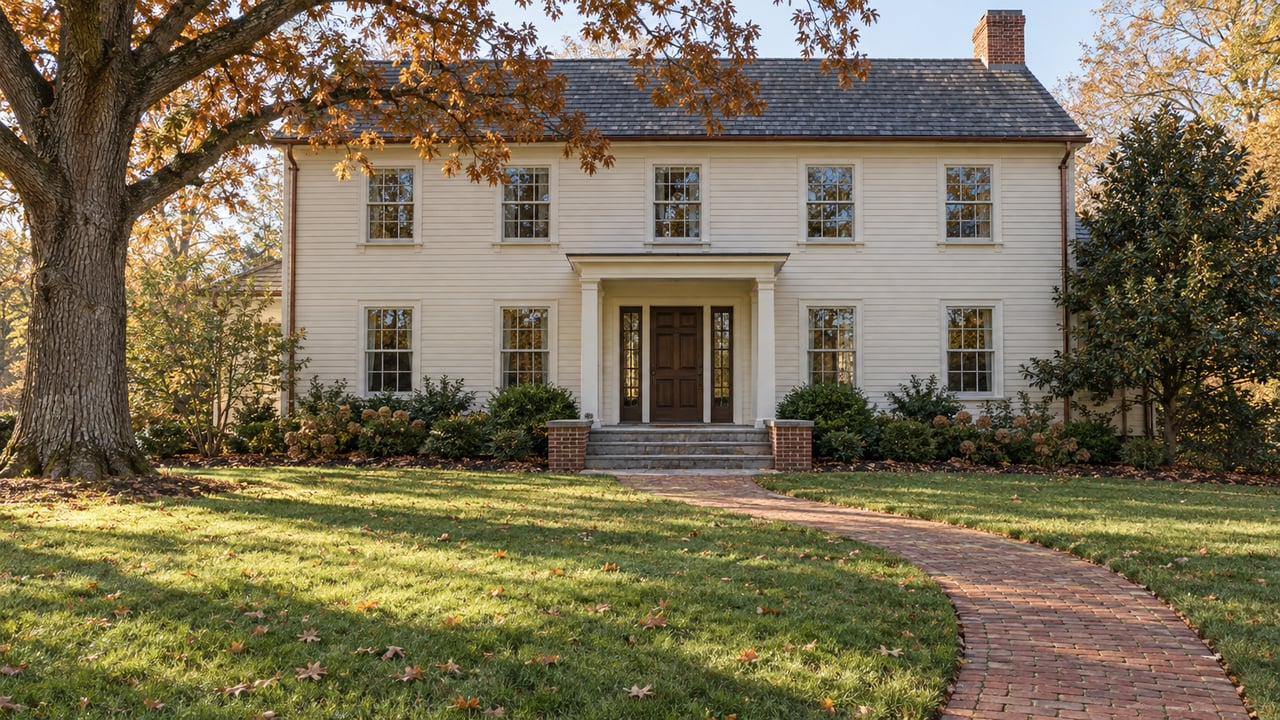
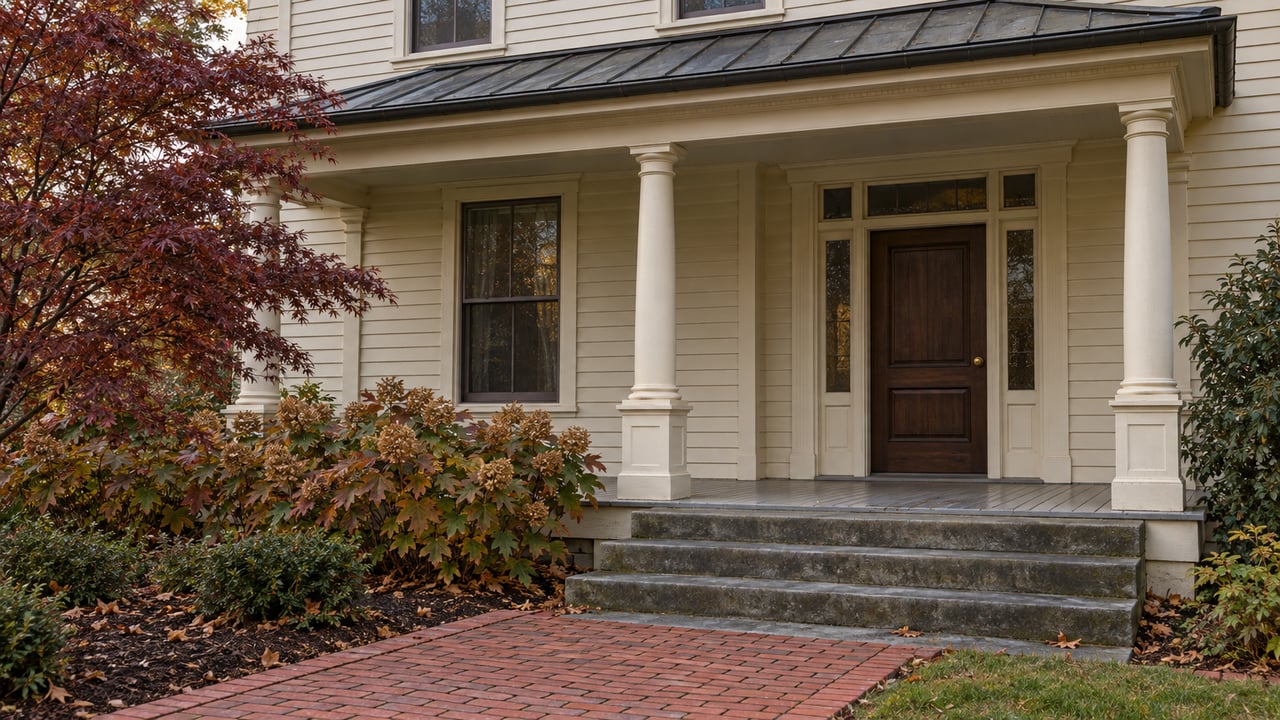
An investor bought 70 Grove Street to bring it back to use as a single-family home. The plan was a full rehabilitation, with new mechanical, electrical and plumbing systems, a new roof, mahogany porch boards, fiberglass columns matching the house next door, half-round gutters in a weathered copper finish, and Pella Reserve wood windows to replace every window in the house.
At its July 2026 meeting, Haddonfield's Historic Preservation Commission recommended approval of almost all of it. The commission held back the windows. It told the applicant that it "typically" does not approve replacing all of a home's wood windows, and that existing windows should be restored when restoration is possible. Before it would take up the window request, it asked for detailed photographs of each window with the deterioration and rot marked. A commissioner moved to split the application in two, and the vote was unanimous. The windows would come back at a later meeting. The rest received a recommendation of approval with conditions, and under the borough's process the Planning Board makes the final decision.
Anyone buying an older house in Haddonfield's historic district with plans to renovate should expect this kind of outcome. The commission seldom says no. It recommends approval, sets conditions, and sometimes asks the applicant to return next month. Those conditions decide the cost of the work, and the monthly calendar decides how long it takes.
The borough posts every HPC agenda, application and outcome on its 2026 records page. From January through October 2026, the commission recorded 19 outcomes on building and site applications, each one its recommendation ahead of the Planning Board's final decision. These are separate from the business sign reviews it also handles.
| Outcome, January to October 2026 | Count | Addresses |
|---|---|---|
| Approved with conditions | 14 | 47 Friends Ave, 144 Kings Hwy W, 334 Kings Hwy E, 31 Kings Hwy E, 125 Chestnut St, 125 W Cottage Ave, 120 Kings Hwy W, 306 Kings Hwy E, 47 N Haddon Ave, 70 Grove St, 27 Colonial Ave, 120 Chestnut St, 219 Warwick Rd, 283 Lake St |
| Approved, or approved as submitted | 3 | 104 Centre St, 100 Warwick Rd, 108 Centre St |
| Tabled | 2 | 217 Kings Hwy E in May; 27 Colonial Ave in August |
| Denied | 0 |
Roughly three applications in four left the commission with conditions attached. A buyer who budgets from a contractor's first scope is budgeting for a project the commission may not approve as drawn.
The conditions are specific, and most concern materials and how closely new work matches what is already there. The 70 Grove Street report records the commission's recommendation of approval for the non-window work on these terms:
"The house shall be painted to match the neighbor's house. The fiberglass columns shall be painted to match the color of the neighbor's columns. The new railing at the front porch shall be wood (it shall not be vinyl) and shall match the dimensions, profiles and detailing of the neighbor's railing."
The applicant had proposed vinyl for that railing. The commission required wood. The report also required the final rear railing design, and an alternate front-step railing if the existing one could not be reinstalled, to go to the Construction Office for approval before installation. It found that the work met Haddonfield's Standards of Review 135-50.C.5, C.9 and C.12, which correspond to the Secretary of the Interior's Standards for Rehabilitation #2, #6 and #9.
An addition goes through the same kind of detailed review. In June 2025, the commission recommended approval with conditions for a second-floor addition and renovation at 130 Centre Street. The revisions included smaller dormer windows and 6-over-1 double-hung windows. The conditions required the smooth side of the cementitious siding to face out, mahogany porch decking and stair treads, painted composite trim, and a standing-seam roof with tight one-inch seams.
Each of these is a line on a bid. Choosing which side of the siding faces out is a decision about craft, and so is mahogany over composite decking or the width of a roof seam.
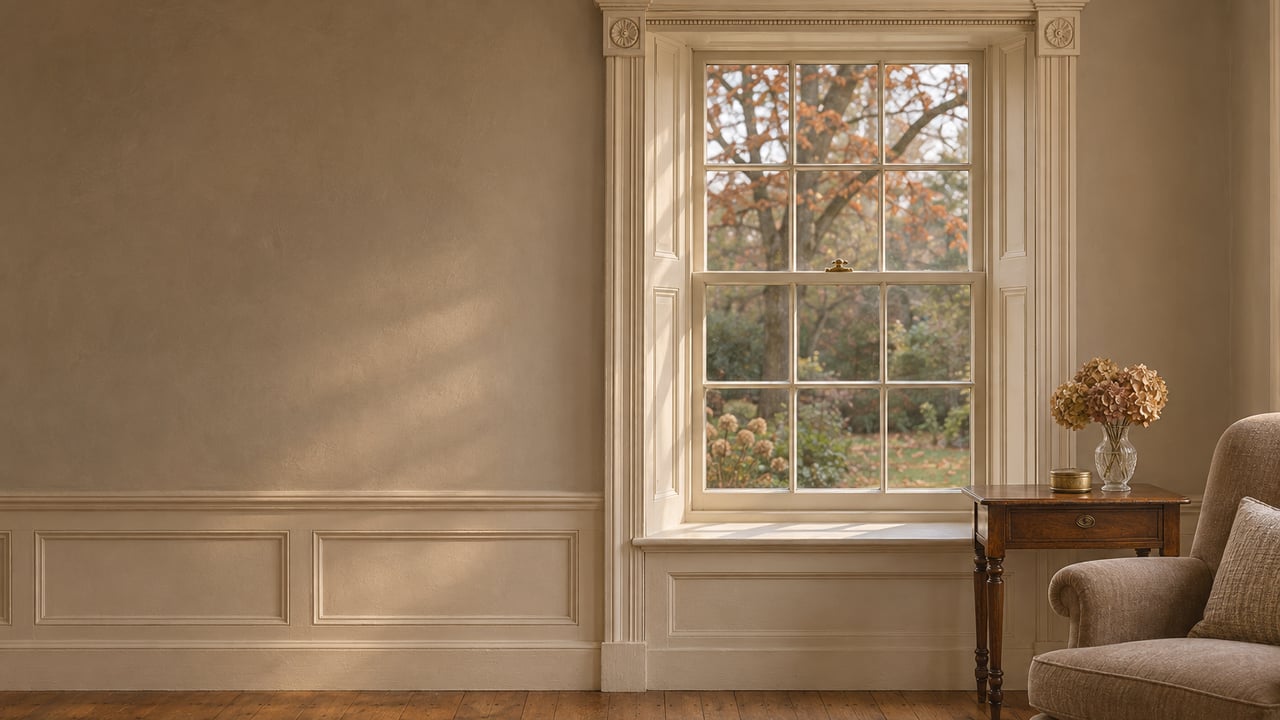
Windows show up in the cases more than anything else, because they are often the first item on a renovation scope. In the 70 Grove Street report, the commission explained its position: restored historic windows with storm windows, it said, are as energy efficient as double-glazed replacement windows.
The ordinance points in the same direction. Repairing existing windows and doors with the same material needs no certificate at all, and neither does installing storm windows that suit the period or design of the house. Restoration and storm windows are therefore the simplest route through the rules. Replacing every window requires an application, and the commission will ask for documentation that each window is beyond repair.
For a buyer, this belongs in the purchase evaluation and should not wait until after closing. A house with sound original sash and a house with failing sash can look alike at a showing, but they lead to very different renovation plans. The question to answer early is how many windows could be shown, photo by photo, to be too far gone to restore.
The commission meets once a month. In 2026 it met on the second or third Wednesday at Borough Hall, and the meetings left on the calendar are November 12 and December 9. The borough's description of the process lays out the order. Applications go through Zoning & Construction, then to the HPC for design review, and the Planning Board gives final approval.
Because the steps run in sequence, one tabling costs a full cycle. The commission tabled 27 Colonial Avenue on August 12. Revised plans dated August 25 went in, and the commission recommended approval with conditions on September 9. That was a fast turnaround, and it still took four weeks. The other application tabled this year, 217 Kings Highway East in May, has not returned to an agenda through November.
The steps in order, as the borough's documents describe them:
The same form lists the fees: $100 for administrative review, tiers from $125 to $500 depending on the project, and a $100 legal escrow. Because the form dates from 2024, confirm the current amounts with the Construction & Zoning Office before filing.
Not every project needs a hearing. Under Section 135-49 of the borough code, no certificate is needed for in-kind repair of windows, doors, roofs, roof features such as cupolas and chimneys, and siding. The same goes for compatible storm windows, exterior painting of existing structures, repairs to fences, shutters, sidewalks and driveways using the same materials, and new plantings. The borough's HPC FAQ says review covers exterior appearance, and that anyone unsure whether a project qualifies should ask the Zoning Officer.
When it is unclear whether something is exempt, or when the work is a minor repair or minor project, the HPC chair and the borough's preservation consultant decide administratively and must respond in writing within 14 days. Their decision can be appealed to the commission, and the Planning Board decides the appeal. On the forms page, the borough lists the projects that do need review: window and door replacement, roofing and gutters, additions, fences, lighting and walkways, siding, porches and railings, demolition, and solar panels.
The commission also reviews downtown storefronts. The November 12 agenda included sign applications for Penny's Bagels at 212 Kings Highway East, Matcha Panda at 149-151 Kings Highway East, and Haddonfield Record Exchange at 415 North Haddon Avenue.
This post is general information, not legal advice. Before you buy or plan work, confirm the requirements for your property with the borough and with an attorney or architect.
Where are the design standards written down? The borough's preservation guide page links to Haddonfield's Design Guidelines and to the three-part "Historic Houses in Haddonfield: A Preservation Guide." The posted guidelines date from 2018, so check with the borough that they are the current version.
Does interior work go before the commission? The ordinance applies review to development that changes exterior architectural appearance, and the FAQ describes the commission's scope the same way.
What happens to a split application like 70 Grove Street's? The commission's recommendation on the other work stands. The windows return to the commission once the requested documentation is filed.
If you are considering a historic Haddonfield home and want to know which windows, porches and additions are likely to need commission review before you make an offer, Holly Garber can walk the house with you and help you plan the scope around the commission's monthly calendar. Begin the Conversation.
Whether you are preparing to sell, searching for your next home, planning a renovation, or exploring an investment opportunity, I welcome a confidential conversation about your goals.